Steve Jobs and the ‘Think Different’ Philosophy: How Bold Ideas Changed the World
In 1997, a struggling Apple Computer unveiled a campaign that would not only revitalize the company but also define an era of innovation. The “Think Different” campaign, launched shortly after Steve Jobs returned to Apple, wasn’t just advertising—it was a manifesto. With its striking black-and-white portraits of visionaries and rebels, paired with a simple but powerful message, it captured the essence of what would become the most valuable company in the world. But beyond its commercial success, “Think Different” embodied a philosophy that continues to inspire entrepreneurs, creators, and leaders decades later.
This philosophy—challenging conventions, pursuing simplicity, and having the courage to follow vision over market research—became the foundation for products that transformed multiple industries. From the Macintosh to the iPhone, Jobs’ approach to innovation wasn’t just about creating new technology; it was about reimagining what technology could be. Let’s explore how this revolutionary mindset developed, why it worked, and how its principles can be applied today.
The Birth of “Think Different”
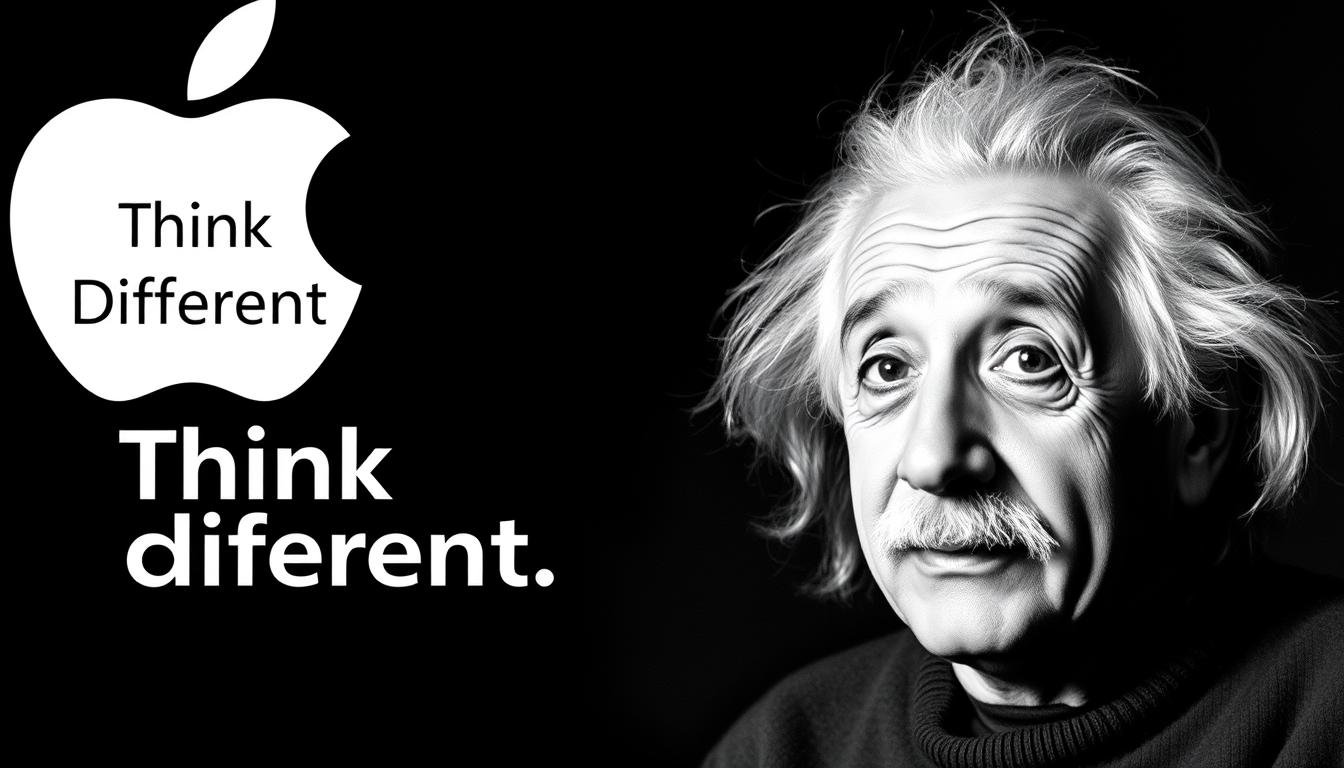
Apple’s iconic “Think Different” campaign featured visionaries like Albert Einstein
When Steve Jobs returned to Apple in 1997, the company was on the brink of bankruptcy. With dwindling market share and a confused product line, Apple needed more than just new products—it needed a new identity. Jobs partnered with advertising agency TBWA\Chiat\Day to create a campaign that would redefine Apple’s image and reconnect with its core values.
The “Think Different” campaign was born from this collaboration, featuring black-and-white portraits of iconic figures like Albert Einstein, Bob Dylan, Martin Luther King Jr., and Mahatma Gandhi—visionaries who changed the world by thinking unconventionally. The campaign’s famous “Crazy Ones” commercial, narrated by Richard Dreyfuss (though Jobs recorded a version as well), became an instant classic.
“Here’s to the crazy ones. The misfits. The rebels. The troublemakers. The round pegs in square holes. The ones who see things differently. They’re not fond of rules. And they have no respect for the status quo… Because the people who are crazy enough to think they can change the world, are the ones who do.”
This wasn’t just clever marketing—it was Jobs articulating his vision for Apple and its place in the world. The campaign succeeded because it wasn’t primarily about computers; it was about identity and values. It told customers that by choosing Apple, they were aligning themselves with the visionaries who dared to challenge convention.
The Core of “Think Different”
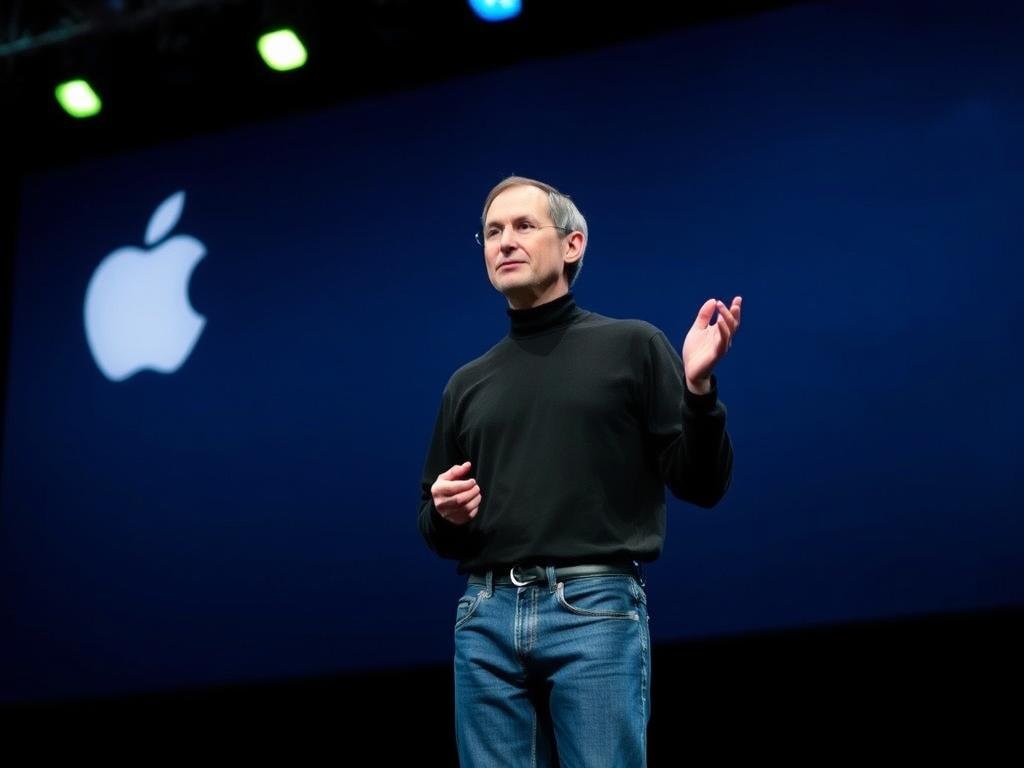
Jobs unveiling the iPhone in 2007—a product that redefined multiple industries
At its heart, the “Think Different” philosophy represented Jobs’ approach to innovation and business. It wasn’t just a slogan but a framework for decision-making that guided Apple’s remarkable turnaround and subsequent rise to dominance. This philosophy had several key components:
Focus on Vision Over Market Research
Jobs famously distrusted traditional market research, believing that customers couldn’t articulate what they wanted until they saw it. “People don’t know what they want until you show it to them,” he told BusinessWeek in 1998. “That’s why I never rely on market research. Our task is to read things that are not yet on the page.”
This approach led to products that customers hadn’t asked for but quickly couldn’t live without. The iPod, iPhone, and iPad all entered markets that existed in some form but were completely reimagined by Apple’s vision-first approach.
Obsession with Simplicity
Jobs believed that true simplicity came from conquering complexity, not ignoring it. “Simple can be harder than complex,” he told BusinessWeek. “You have to work hard to get your thinking clean to make it simple. But it’s worth it in the end because once you get there, you can move mountains.”
This pursuit of simplicity manifested in Apple’s products through intuitive interfaces, minimal buttons, and elegant design. The original iPod’s scroll wheel and the iPhone’s touch interface both represented radical simplifications of existing interfaces.
Integration of Technology and Liberal Arts
Jobs believed in the intersection of technology and humanities
Jobs frequently spoke about Apple operating “at the intersection of technology and liberal arts.” This meant that technical excellence alone wasn’t enough—products needed to connect with users on an emotional and cultural level.
“It’s in Apple’s DNA that technology alone is not enough—it’s technology married with liberal arts, married with the humanities, that yields us the results that make our heart sing.”
This philosophy led Apple to invest heavily in design, user experience, and even packaging—elements that competitors often treated as afterthoughts. It’s why Apple products often evoke emotional responses that purely technical products rarely achieve.
Products That Embodied “Think Different”
The “Think Different” philosophy wasn’t just theoretical—it manifested in revolutionary products that changed entire industries. Here are some key examples:
The Macintosh (1984)
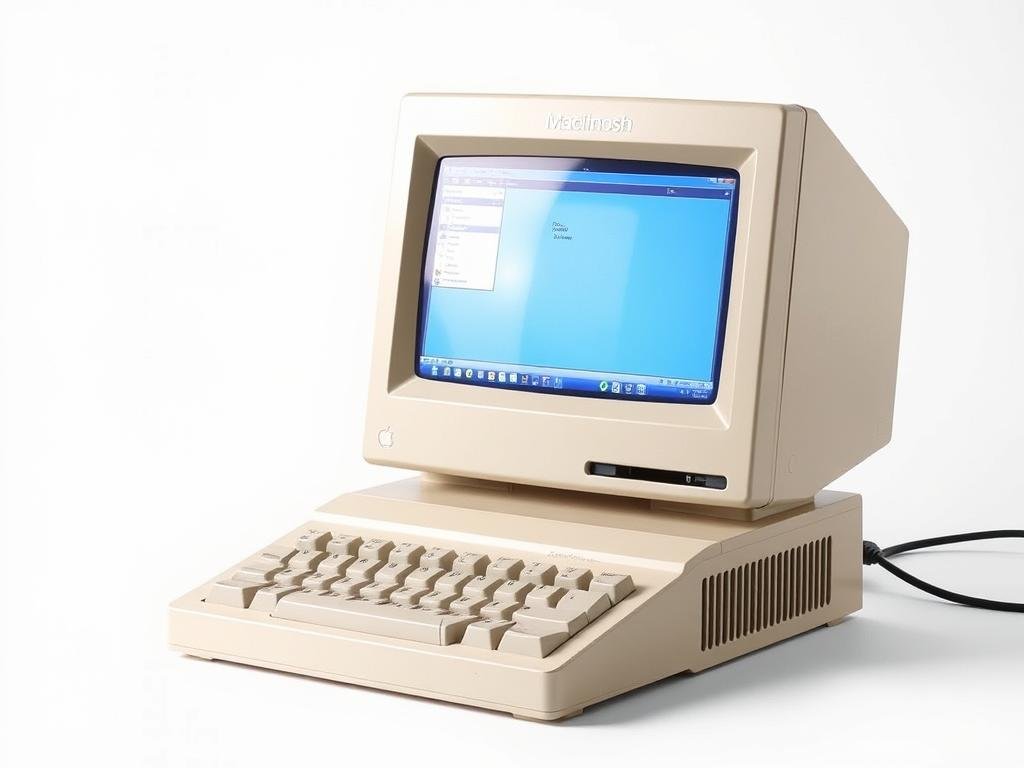
The original Macintosh introduced the graphical user interface to the mass market
Even before the “Think Different” campaign, the Macintosh embodied its principles. While most computers required users to memorize commands, the Mac introduced the graphical user interface to the mass market. Jobs insisted on design elements that engineers initially resisted, like proportional fonts and the mouse as a primary input device. The famous “1984” Super Bowl commercial positioned the Mac as a tool for fighting conformity—a precursor to the “Think Different” message.
The iPod (2001)
When the iPod launched with the slogan “1,000 songs in your pocket,” existing MP3 players were clunky devices with complicated interfaces. Jobs insisted on the now-iconic scroll wheel interface and simple menu system. The iPod wasn’t the first digital music player, but it reimagined what such a device could be, focusing on the user experience rather than just technical specifications.
The iPhone (2007)
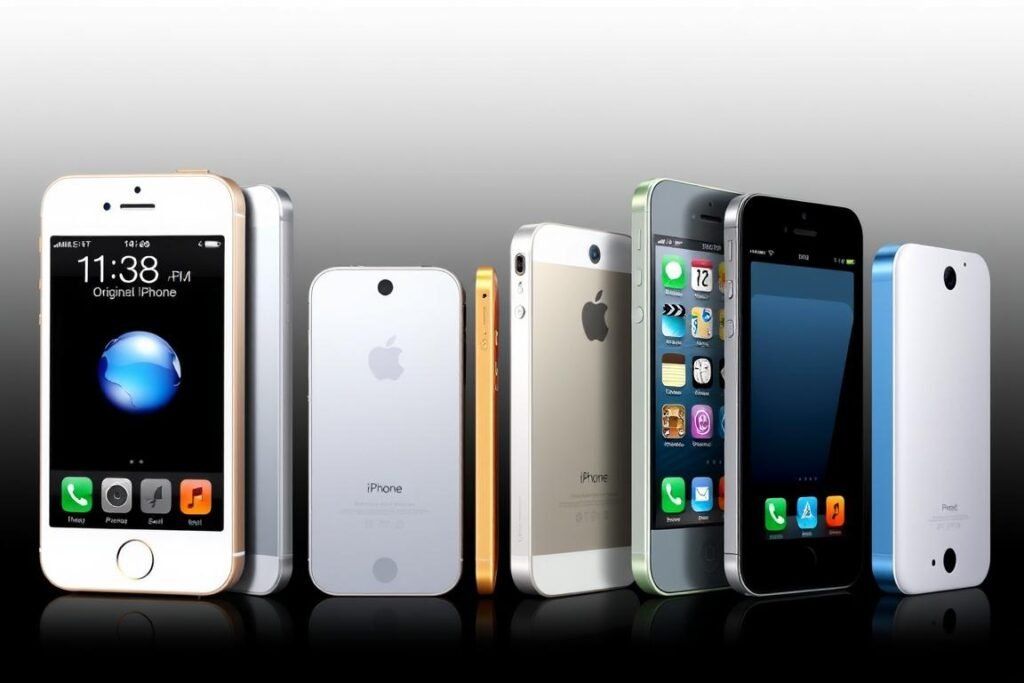
The iPhone revolutionized mobile phones by reimagining the interface
Perhaps no product better exemplifies the “Think Different” approach than the iPhone. When Jobs introduced it in 2007, he specifically positioned it against existing smartphones with their physical keyboards and styluses. By reimagining the mobile phone around a touch interface and focusing on a few core functions done exceptionally well, Apple created a product that redefined an entire industry.
Jobs famously said during the iPhone launch: “Every once in a while, a revolutionary product comes along that changes everything.” The iPhone wasn’t just different—it forced the entire industry to think differently about what a phone could be.
The iPad (2010)
When tablet computers had repeatedly failed in the marketplace, Jobs introduced the iPad with characteristic confidence. Previous tablets had essentially been Windows computers with touch screens added. The iPad, by contrast, was built from the ground up around touch interaction. By thinking differently about the fundamental purpose and interface of a tablet, Apple created a new category of devices that others had tried and failed to establish.
Challenging Conventional Thinking
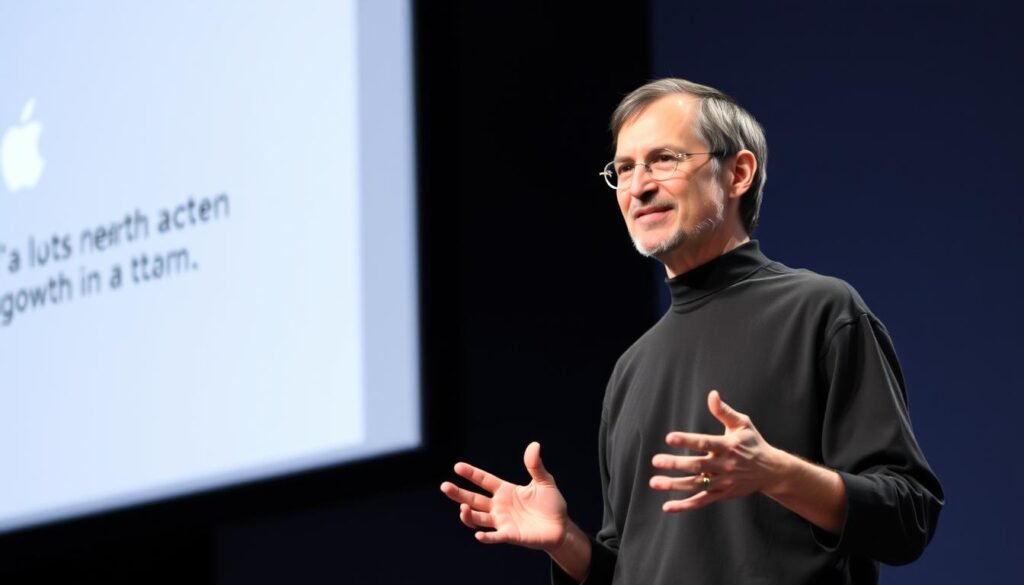
Jobs was known for challenging industry conventions during product launches
The “Think Different” philosophy required Jobs to repeatedly challenge conventional wisdom in the technology industry. This approach wasn’t without controversy, but it led to some of Apple’s most distinctive and successful decisions.
Rejecting Market Research
While most companies relied heavily on focus groups and market surveys, Jobs was famously dismissive of such approaches. He believed that truly revolutionary products couldn’t be discovered through asking customers what they wanted.
“Some people say, ‘Give the customers what they want.’ But that’s not my approach. Our job is to figure out what they’re going to want before they do. I think Henry Ford once said, ‘If I’d asked customers what they wanted, they would have told me, “A faster horse!”‘ People don’t know what they want until you show it to them.”
This approach required tremendous confidence and vision. It also meant taking significant risks, as Jobs was essentially betting that he understood what would delight users better than they did themselves.
Embracing Minimalism
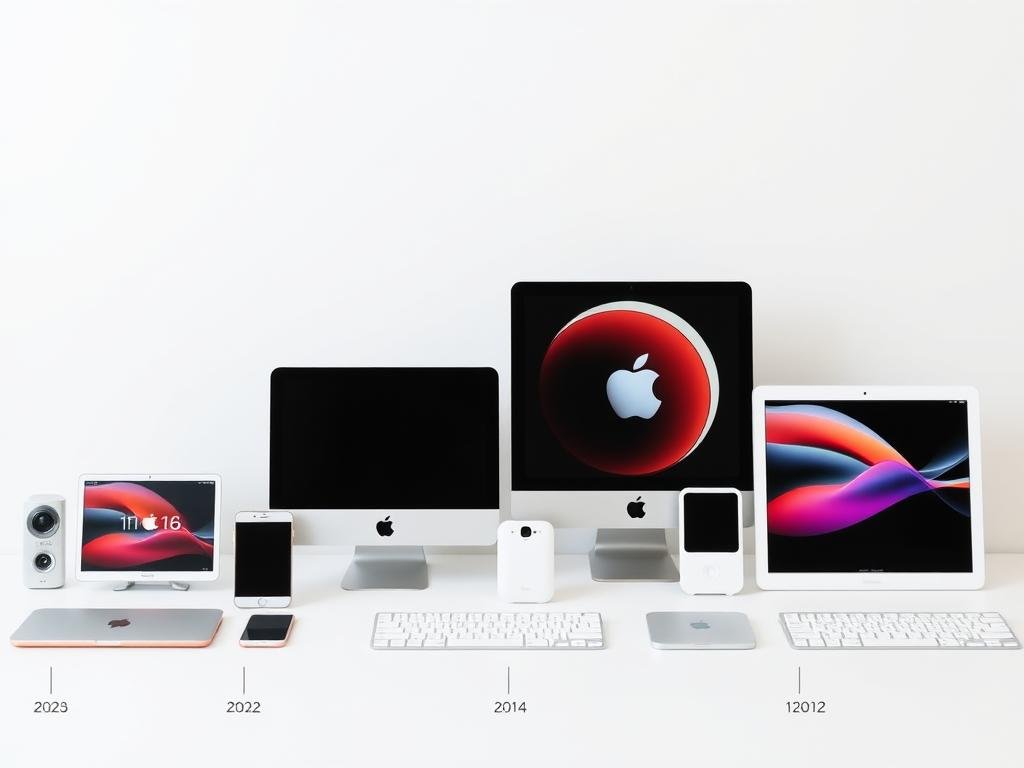
Apple’s product design evolved toward increasing minimalism under Jobs’ direction
While competitors raced to add features, Apple often distinguished itself by what it left out. The original iMac abandoned the floppy disk drive. The iPhone launched without a physical keyboard. The MacBook Air removed the optical drive. Each decision was controversial at the time but proved prescient as technology evolved.
Jobs explained this philosophy in his biography: “People think focus means saying yes to the thing you’ve got to focus on. But that’s not what it means at all. It means saying no to the hundred other good ideas that there are. You have to pick carefully.”
Controlling the Entire Experience
While the technology industry moved toward open systems and partnerships, Jobs insisted on Apple controlling both hardware and software. This “walled garden” approach was criticized as anti-competitive, but Jobs believed it was the only way to deliver a seamless user experience.
This integrated approach allowed Apple to create experiences that weren’t possible when hardware and software were developed separately. The smooth performance of iOS, the battery efficiency of MacBooks, and the ecosystem integration across Apple products all stem from this controversial but effective strategy.
The Legacy of “Think Different”

Jobs’ philosophy continues to inspire modern entrepreneurs and innovators
The impact of the “Think Different” philosophy extends far beyond Apple’s products. It has influenced how companies approach innovation, how leaders view their roles, and how entrepreneurs think about challenging established industries.
Influence on Modern Tech Culture
Silicon Valley’s culture of disruption owes much to Jobs’ example. Companies like Tesla, Airbnb, and Uber have followed the playbook of reimagining existing industries rather than simply improving on current offerings. The willingness to pursue vision over immediate market feedback has become a hallmark of ambitious tech startups.
Even Apple’s competitors have been influenced by the “Think Different” approach. Microsoft’s transformation under Satya Nadella, Google’s moonshot projects, and Amazon’s willingness to enter entirely new markets all reflect elements of Jobs’ philosophy.
Impact on Leadership Styles

Many modern tech leaders cite Jobs as an influence on their approach
Jobs’ leadership style—visionary, demanding, and uncompromising—has inspired a generation of tech leaders. Elon Musk, in particular, has often been compared to Jobs for his ambitious vision and hands-on approach to product development. While few can replicate Jobs’ unique combination of technical understanding, design sensibility, and marketing genius, many leaders have adopted elements of his approach.
The idea that a leader’s role is to push for excellence beyond what seems reasonable has become particularly influential. As Jobs once said, “My job is not to be easy on people. My job is to make them better.”
Enduring Brand Philosophy
Even after Jobs’ passing in 2011, the “Think Different” philosophy continues to guide Apple. While the company no longer uses the slogan in its marketing, the principles of simplicity, integration, and challenging convention remain evident in its products and communications.
Under Tim Cook’s leadership, Apple has continued to enter new categories with products like the Apple Watch and AirPods, maintaining the approach of reimagining existing product categories rather than simply competing within them.
Criticisms and Counterarguments

Jobs’ demanding management style was both criticized and praised
The “Think Different” philosophy, while undeniably successful for Apple, has faced legitimate criticisms that are worth examining.
Strengths of “Think Different”
- Enables truly revolutionary products
- Creates emotional connection with customers
- Provides clear direction for organization
- Attracts passionate, creative talent
- Can lead to industry-defining breakthroughs
Criticisms of “Think Different”
- Can lead to perfectionism that delays products
- Depends heavily on visionary leadership
- May ignore valuable customer feedback
- Can create difficult work environments
- Risks major failures when vision is wrong
The Dark Side of Perfectionism
Jobs’ perfectionism led to extraordinary products but also created challenges. Projects were sometimes delayed or canceled when they didn’t meet his exacting standards. His demanding nature could make Apple a difficult place to work, with high turnover in some departments.
Walter Isaacson’s biography details how Jobs could be harsh with employees who didn’t meet his standards. While this approach drove excellence, it also created unnecessary stress and sometimes stifled collaboration.
The Limits of Ignoring Customer Input
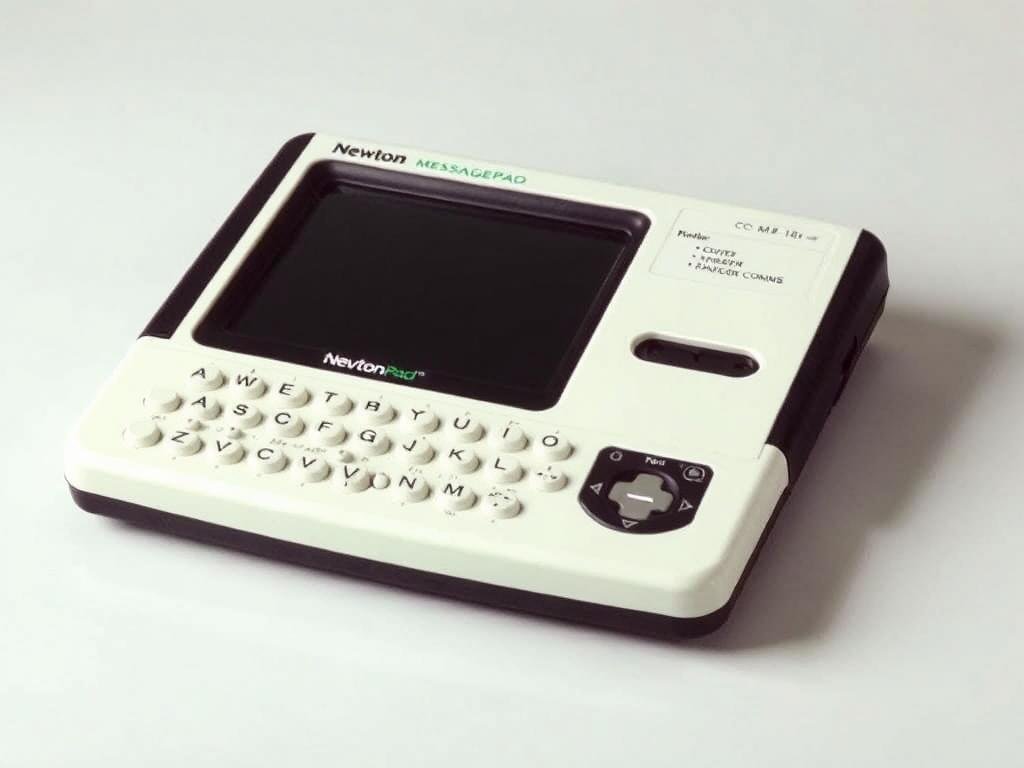
Not all of Apple’s innovative products succeeded—the Newton MessagePad faced significant criticism
While Jobs’ instinct for what customers would love was often right, it wasn’t infallible. Products like the Apple III, the G4 Cube, and the original Apple TV didn’t resonate with customers despite embodying Apple’s design philosophy. Some critics argue that more customer testing might have identified issues earlier.
Even successful products sometimes required significant revisions based on customer feedback. The original iPhone lacked third-party apps—a limitation Apple quickly addressed after launch based on user demand.
The Challenge of Succession
Perhaps the greatest criticism of the “Think Different” approach is that it depends heavily on visionary leadership that’s difficult to institutionalize. Apple faced significant challenges after Jobs’ first departure in 1985, and many questioned whether the company could maintain its innovative edge after his death in 2011.
Under Tim Cook, Apple has continued to thrive financially, but some critics argue that its products have become more iterative and less revolutionary. The question remains whether the “Think Different” philosophy can be sustained without its most passionate advocate.
Applying “Think Different” Principles Today

The principles behind “Think Different” can be applied in any creative endeavor
While few of us have Jobs’ unique combination of talents, many aspects of the “Think Different” philosophy can be applied in our own work and organizations:
Question Assumptions
The core of “Think Different” is challenging conventional wisdom. This begins with identifying the assumptions that everyone in your industry takes for granted. What “rules” exist only because they’ve always been done that way? What customer needs are being ignored because they’re difficult to address?
This questioning mindset doesn’t require genius—just curiosity and courage. As Jobs demonstrated repeatedly, the most transformative innovations often come from challenging assumptions that others accept without question.
Focus Ruthlessly

Jobs’ philosophy emphasized ruthless focus and elimination of distractions
Jobs was famous for his focus on a small number of products done exceptionally well. This approach requires saying “no” to good ideas to make room for great ones. In your own work, consider whether you’re spreading your resources too thin across too many projects or features.
As Jobs told Nike’s Mark Parker: “Nike makes some of the best products in the world. Products that you lust after. But you also make a lot of crap. Just get rid of the crappy stuff and focus on the good stuff.”
Integrate Art and Technology
Jobs believed that great products exist at the intersection of technology and the humanities. This means considering not just what’s technically possible but what’s emotionally resonant. How does your product or service make people feel? What aesthetic and cultural elements can elevate it beyond mere functionality?
This integration doesn’t require a background in design—it requires empathy and attention to the human experience of using your product or service.
Pursue Simplicity
Perhaps the most applicable aspect of Jobs’ philosophy is his relentless pursuit of simplicity. This doesn’t mean making things simplistic—it means working through complexity to find elegant solutions.
“That’s been one of my mantras—focus and simplicity. Simple can be harder than complex: You have to work hard to get your thinking clean to make it simple. But it’s worth it in the end because once you get there, you can move mountains.”
In your own work, consider how you can simplify processes, communications, and products. What can be removed without diminishing the core experience? What complexity can be hidden from users while still delivering powerful functionality?
Embracing Your Own “Think Different” Journey

The “Think Different” philosophy continues to inspire creators and innovators
The “Think Different” campaign wasn’t just advertising—it was a declaration of values that guided Apple’s remarkable transformation from near-bankruptcy to the world’s most valuable company. More importantly, it articulated a philosophy that continues to inspire innovation across industries.
Steve Jobs wasn’t perfect, and not every aspect of his approach is worth emulating. But his core belief—that the greatest achievements come from those willing to challenge convention and pursue their vision with passion—remains as powerful today as it was in 1997.
In a world of increasing conformity and algorithm-driven decision making, the courage to think differently is more valuable than ever. Whether you’re developing a product, leading a team, or charting your own career path, there’s profound wisdom in Jobs’ approach to innovation and creativity.
The next time you face a challenge that seems insurmountable or a convention that seems unbreakable, remember the words that helped transform Apple: “The people who are crazy enough to think they can change the world are the ones who do.”
Ready to Think Different in Your Own Life?
Challenge conventions. Pursue simplicity. Integrate technology with humanity. These principles transformed Apple—they can transform your work too.
Frequently Asked Questions About “Think Different”
Who created the “Think Different” campaign?
The “Think Different” campaign was created by advertising agency TBWA\Chiat\Day. The creative team included Lee Clow, Rob Siltanen, and Craig Tanimoto, among others. Steve Jobs was heavily involved in the process, though accounts differ on his specific contributions to the copy and concept.
When did the “Think Different” campaign run?
The campaign ran from 1997 to 2002, though its influence on Apple’s brand identity lasted much longer. It was launched shortly after Steve Jobs returned to Apple as interim CEO when the company was struggling financially.
Why was “Think Different” grammatically incorrect?
The grammatically correct phrase would be “Think Differently” (using an adverb). Jobs specifically wanted “different” as a noun, similar to phrases like “think big” or “think victory.” He felt it had more impact and was more colloquial. This unconventional choice itself embodied the campaign’s message.
Did “Think Different” actually help Apple’s business?
Yes. Within 12 months of the campaign’s launch, Apple’s stock price tripled, despite having no significant new products during that period. The campaign helped rebuild Apple’s brand identity and set the stage for the introduction of the iMac and later revolutionary products.