Marilyn Monroe – The Woman Behind the Smile
Behind the platinum blonde hair and dazzling smile that captivated the world was a complex woman few truly knew. Marilyn Monroe remains one of history’s most enduring icons, yet the gap between her public persona and private reality was vast. While audiences adored her as the quintessential blonde bombshell, Norma Jeane Mortenson—the woman who became Marilyn—navigated a life filled with profound struggles, intellectual curiosity, and a desperate search for genuine connection. This is the story of the real woman behind the legendary smile.
The Making of Marilyn: A Childhood of Hardship
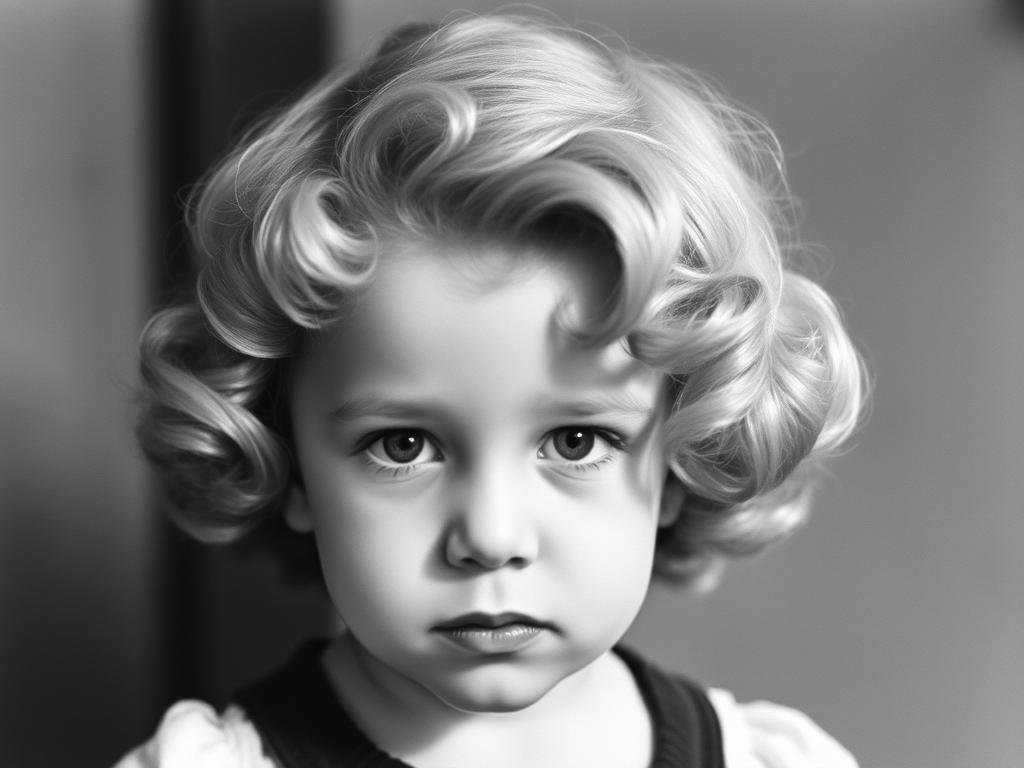
Norma Jeane Mortenson’s early years were marked by instability and hardship.
Born Norma Jeane Mortenson on June 1, 1926, in Los Angeles, Monroe’s early life was far from the glamour she would later embody. Her mother, Gladys Pearl Baker, struggled with severe mental health issues and was eventually institutionalized when Monroe was just eight years old. The identity of her father remained unknown throughout her life, creating a void that would haunt her forever.
“I knew how third-rate I was,” Monroe once wrote in her memoirs. “I could actually feel my lack of talent, as if it were cheap clothes I was wearing inside. But, my god, how I wanted to learn, to change, to improve.” This self-doubt, established in childhood, would follow her throughout her life despite her tremendous success.
Monroe spent much of her childhood shuttling between foster homes and orphanages. In one foster home, she endured sexual abuse at just eight years old. These traumatic experiences shaped her understanding of herself and her relationships with others, particularly men.
“You could buy a sackful of old bread for 25 cents. Aunt Grace and I would stand in line for hours… When I looked up at her, she would grin at me and say, ‘Don’t worry, Norma Jeane. You’re going to be a beautiful girl when you grow up.'”
At school, Monroe was often the target of hurtful comments. “I was tall for my age and scrawny and my hair was short and rather thin and scraggly,” she recalled in a 1952 interview. “The boys used to yell ‘Norma Jeane—string bean!’ and they thought it was so funny that I wanted to be an actress.”
Escape Through Marriage and Discovery
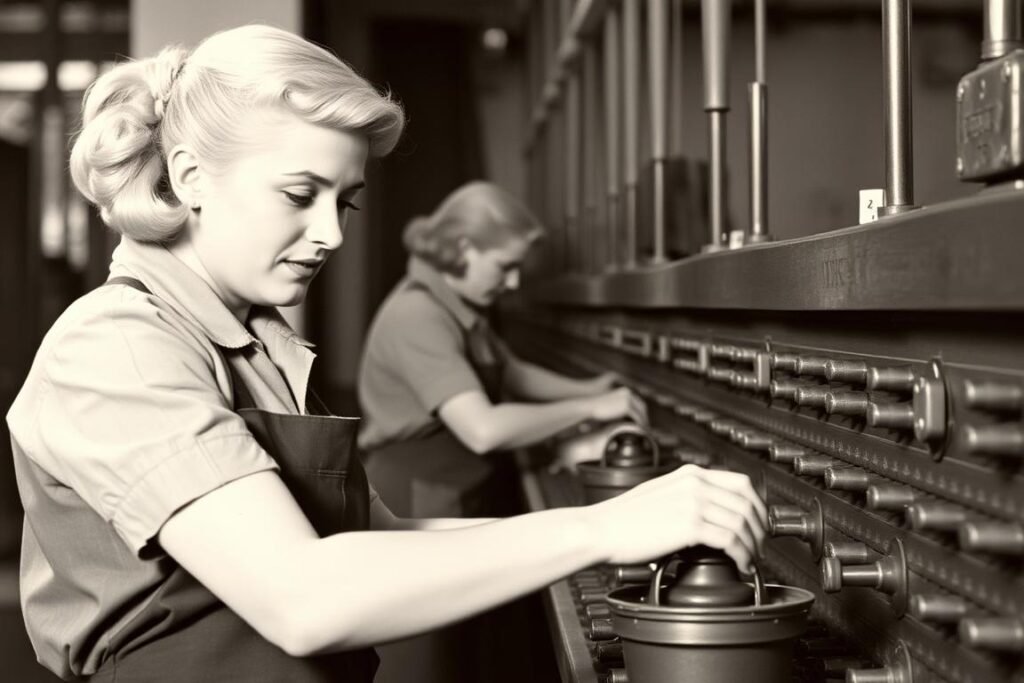
Before fame, Monroe worked in a munitions factory during World War II where she was first discovered by a photographer.
At just 16 years old, Monroe found her first escape route through marriage to 21-year-old Jim Dougherty in 1942. The union wasn’t born of passion but practicality—it was arranged to keep her from returning to the orphanage system when her foster family moved away. “I never knew Marilyn Monroe, and I don’t claim to have any insights to her to this day. I knew and loved Norma Jean,” Dougherty later reflected.
When Dougherty enlisted in the Merchant Marine during World War II, Monroe began working at the Radio Plane Munitions Factory in Van Nuys, California. It was here that fate intervened. A photographer visiting the factory to capture images of women contributing to the war effort noticed the striking young woman. “You’re a real morale booster,” he told her. “I’m going to take your picture for the boys in the Army to keep their morale high.”
This chance encounter launched Monroe’s modeling career. As her professional prospects grew, her marriage dissolved. Monroe was determined to transform herself, studying modeling techniques and constantly working to improve. “I wouldn’t settle for second best,” she later said. “I would take home photographs of myself to study how I looked and if I could improve myself posing in front of a mirror.”
The Transformation: Becoming Marilyn
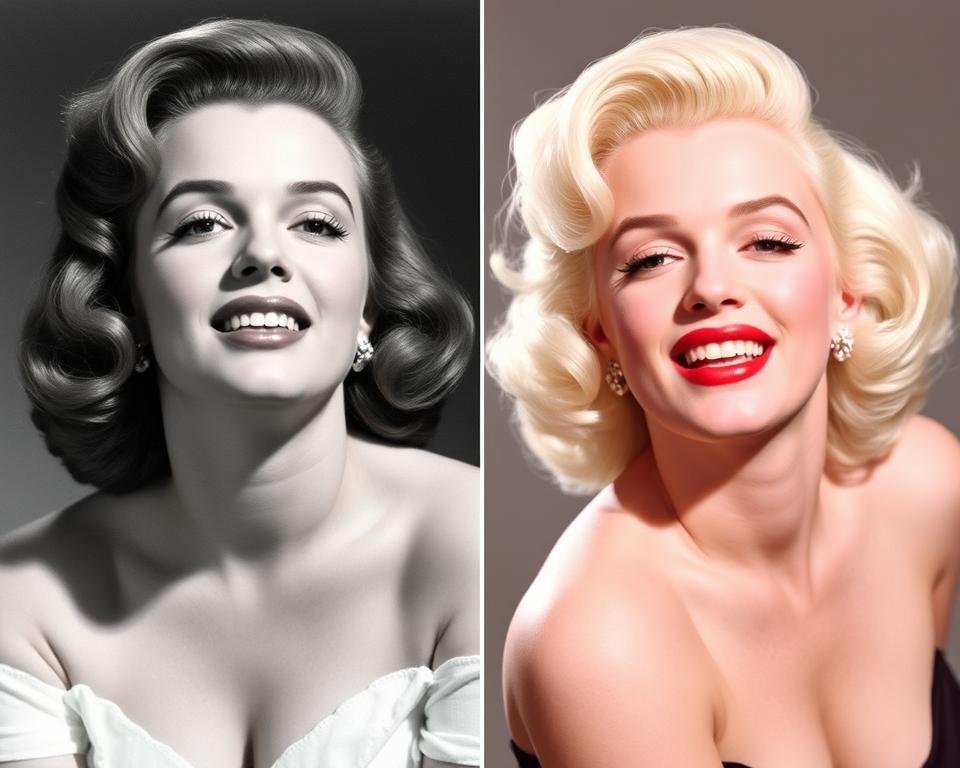
The transformation from brunette Norma Jeane to platinum blonde Marilyn was both physical and psychological.
The metamorphosis from Norma Jeane to Marilyn Monroe was deliberate and calculated. In 1946, after signing her first movie contract with 20th Century Fox, she adopted the screen name “Marilyn Monroe” and dyed her naturally curly, reddish-brown hair platinum blonde. The name change became legal in 1956, cementing the new identity she had crafted for herself.
But the transformation went far deeper than hair color and a new name. Monroe worked tirelessly to reinvent herself, studying acting, movement, and voice. She wasn’t simply handed stardom—she pursued it with remarkable determination despite constant setbacks and dismissals.
“Narratives of Monroe’s life, whether they’re based in fact or fiction, tend to focus on her trauma at the expense of her hard work and dedication,” notes cultural historian Sarah Churchwell. “The myths surrounding her life have obscured what originally helped make her famous: her craft as an actress.”
Monroe’s journey to stardom was fraught with challenges. At first, she wasn’t considered star material. She took bit parts and returned to modeling when acting work dried up. In 1949, when she was struggling financially, she posed nude for a calendar—photos that would later be published in Playboy magazine without her consent.
Rather than letting this scandal destroy her career, Monroe handled it with remarkable savvy. When asked why she had posed nude, she simply replied, “I was hungry.” This candid response turned potential career disaster into an asset, showcasing her authenticity in an industry built on artifice.
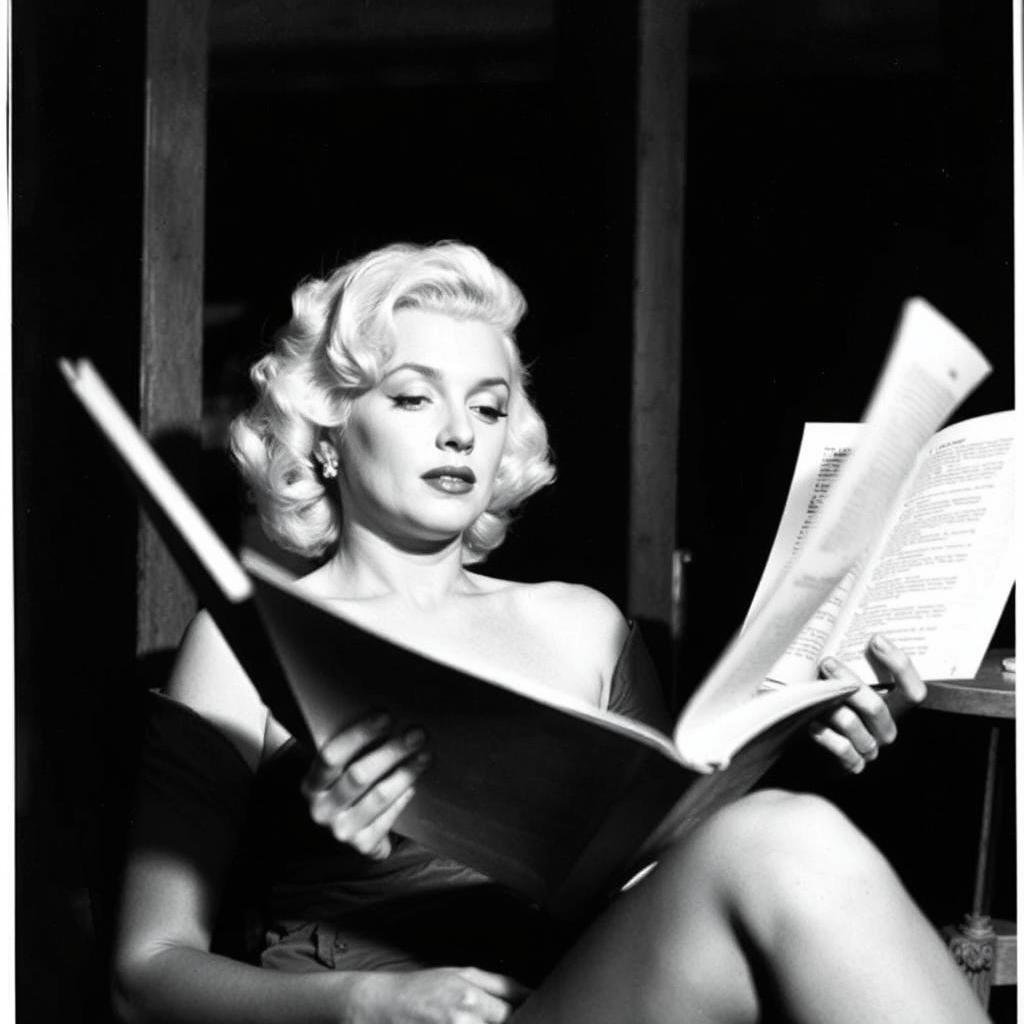
Monroe was dedicated to improving her craft, studying at the prestigious Actors Studio under Lee Strasberg.
The Intellectual Behind the Image
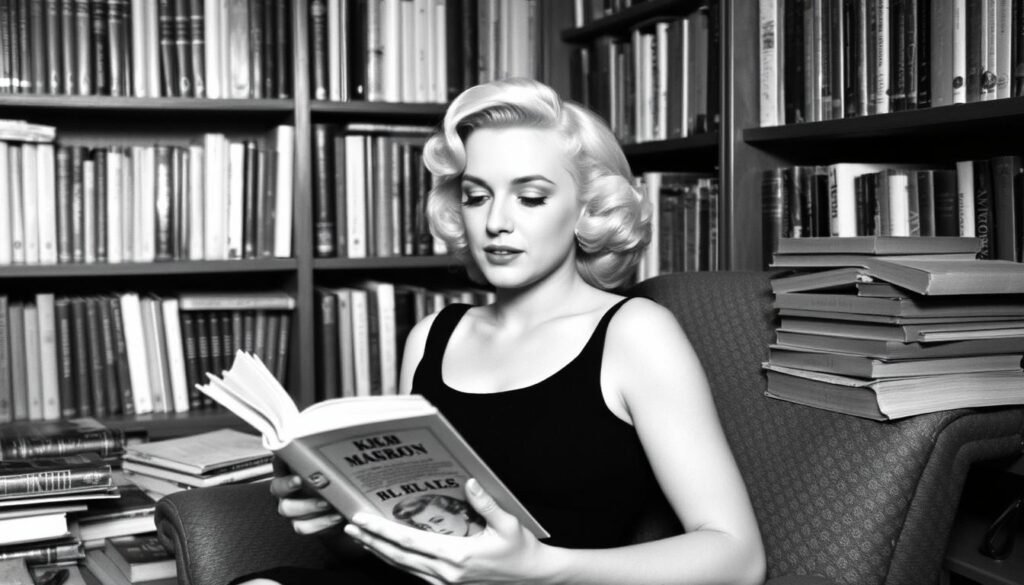
Monroe was an avid reader with a personal library of over 400 books spanning literature, philosophy, politics, and psychology.
One of the most overlooked aspects of Monroe’s life was her intellectual curiosity. Far from the “dumb blonde” she portrayed on screen, Monroe was an avid reader with a personal library of over 400 books spanning literature, philosophy, politics, and psychology. She read works by Dostoyevsky, Whitman, Hemingway, and Joyce, among many others.
“She had a drive to better herself by reading books on psychology, philosophy, poetry, art, drama, you name it,” notes film historian Michelle Vogel. “She studied at the prestigious Actors Studio in New York, with Lee Strasberg, because she had the desire to be a drama student, even after she was already a famous Hollywood actress.”
“I’m trying to find myself. Sometimes that’s not easy.”
Monroe’s intellectual pursuits extended beyond self-improvement. She was politically engaged and concerned with social issues of her time. She supported civil rights causes and challenged the studio system’s treatment of actors, particularly women. In 1954, she broke her restrictive contract with Fox and started her own production company—Marilyn Monroe Productions—a bold move that few actresses of her era dared to make.
After a legal battle with the studio, she emerged victorious, renegotiating a contract that gave her both a higher salary and creative control over her roles. “She strove for equality and change to the Hollywood system, and got it,” says Vogel. This business acumen contradicted the helpless sex symbol image that dominated public perception.
Love and Loneliness: Monroe’s Personal Relationships
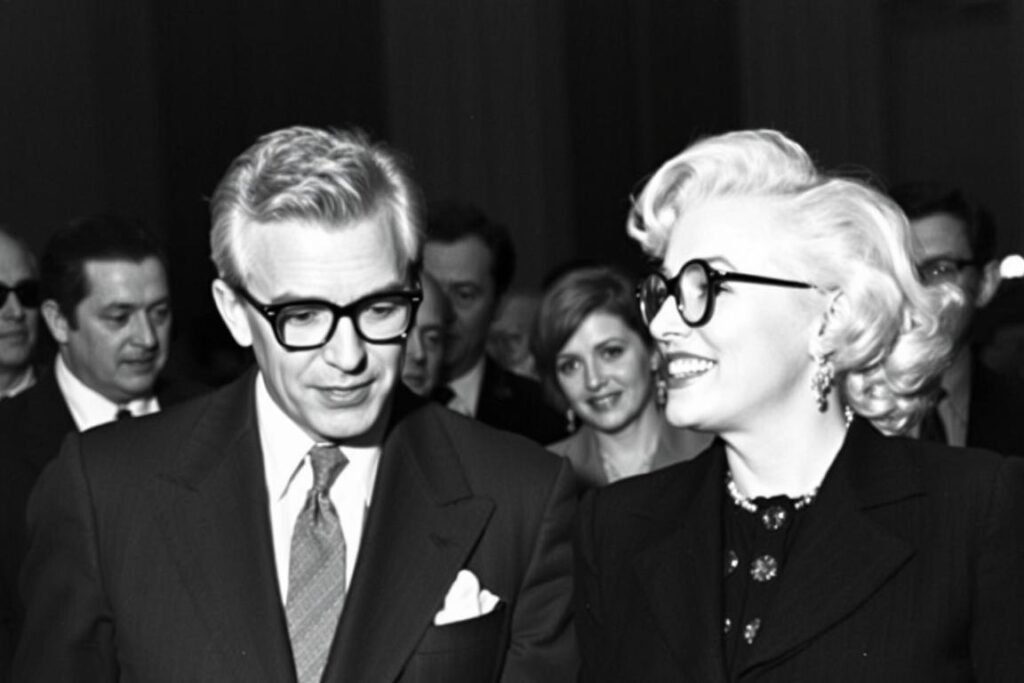
Monroe’s marriage to playwright Arthur Miller (1956-1961) was her longest relationship but ended in heartbreak.
Despite her image as the ultimate object of desire, Monroe’s personal relationships were marked by profound loneliness and disappointment. She had three marriages, all of which ended in divorce. Her first to James Dougherty (1942-1946) was a marriage of convenience. Her second to baseball legend Joe DiMaggio (1954) lasted only nine months, with DiMaggio reportedly uncomfortable with his wife’s sexual public image.
Her third and longest marriage to playwright Arthur Miller (1956-1961) initially seemed to offer intellectual companionship, but Miller too failed to understand the woman behind the celebrity. “Marilyn Monroe desperately wanted to be loved,” noted film historian Karina Longworth, “but she never had the courage to figure out that she could choose who to love.”
Monroe’s journal entries reveal her deep insecurities about love: “I have always been deeply terrified to really be someone’s wife since I know from life one cannot love another, ever, really.” Her inability to have children—she suffered two miscarriages and an ectopic pregnancy during her marriage to Miller—compounded her sense of inadequacy as a woman.
These personal struggles contrasted sharply with her public image as the embodiment of feminine sexuality and desirability. The woman who made millions of men dream was, in reality, desperately searching for genuine connection and acceptance.
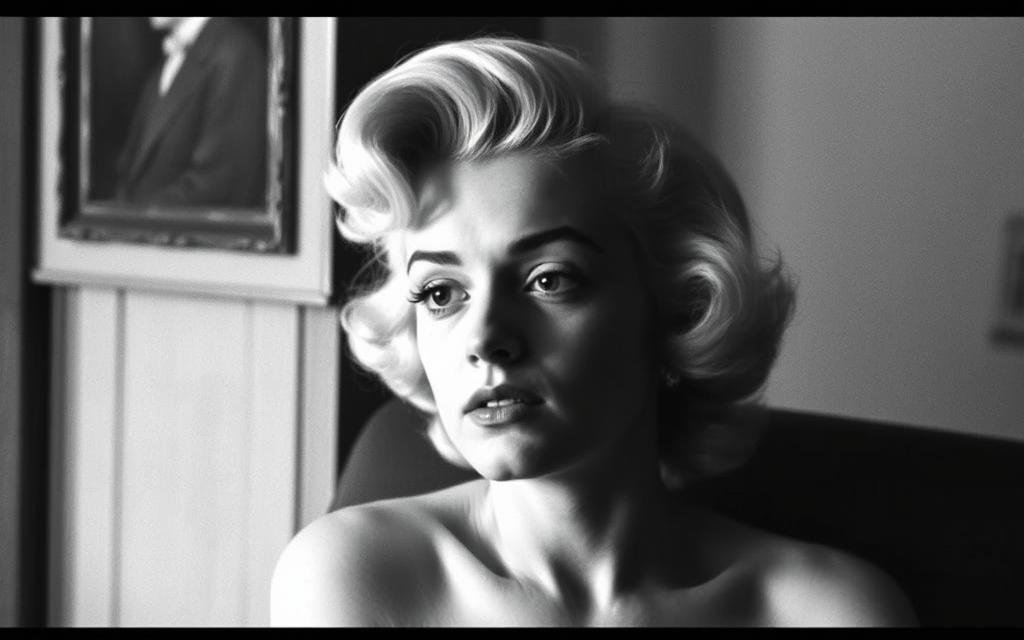
Behind the glamorous public persona, Monroe often struggled with profound loneliness and isolation.
The Struggle Within: Monroe’s Mental Health Battles
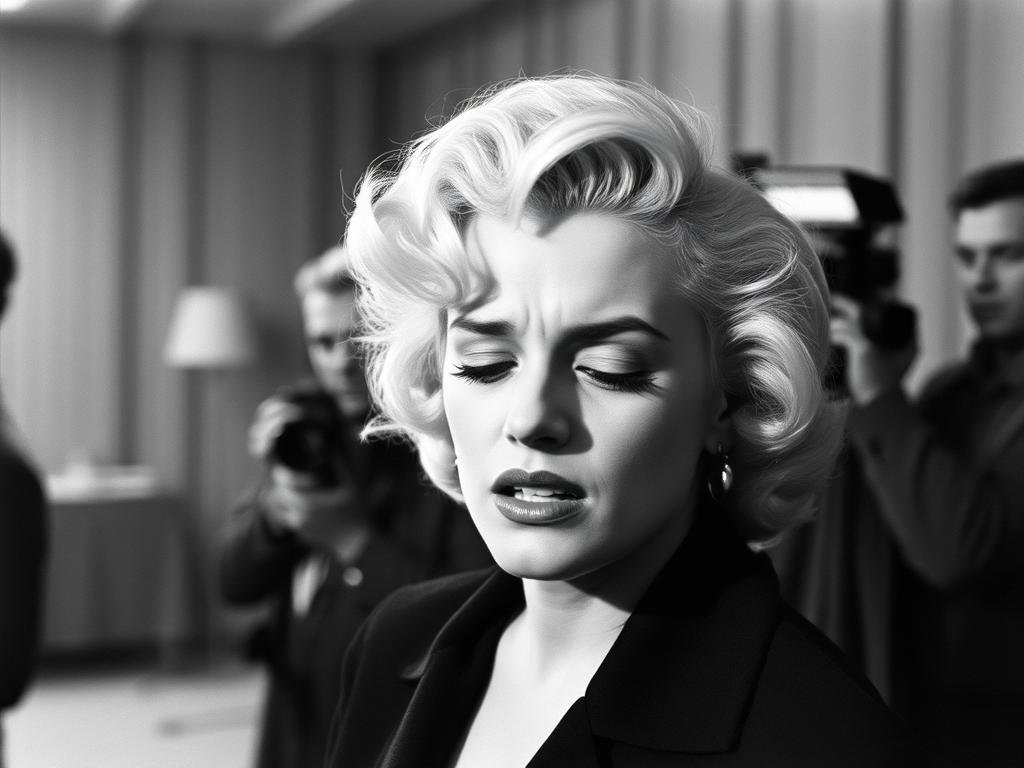
Monroe suffered from severe anxiety and stage fright throughout her career, often becoming physically ill before performances.
Throughout her career, Monroe battled severe anxiety and depression. Her notorious tardiness and difficulty remembering lines weren’t signs of diva behavior but manifestations of debilitating stage fright. “She had severe stage fright,” explains Vogel. “She was a nervous wreck filming scenes, often breaking out into a rash or being physically ill at the thought of performing.”
Director Billy Wilder once remarked, “She would be the greatest if she ran like a watch. I have an aunt Minnie who’s very punctual, but who would pay to see Aunt Minnie?” This quip, while humorous, underscores the industry’s willingness to overlook Monroe’s suffering as long as she remained profitable.
Monroe’s mental health struggles were exacerbated by the callous medical practices of the era. Doctors freely prescribed her barbiturates and amphetamines, creating dependencies that would ultimately contribute to her death. These medications were given not with therapeutic intent but to keep her functioning as a valuable Hollywood asset.
“Being a sex symbol is a heavy load to carry, especially when one is tired, hurt and bewildered.”
Her mother’s mental illness—Gladys Baker was diagnosed with paranoid schizophrenia—cast a long shadow over Monroe’s life. She lived with the fear that she might inherit her mother’s condition, a concern that intensified her anxiety and insecurity.
Fighting the System: Monroe’s Professional Battles
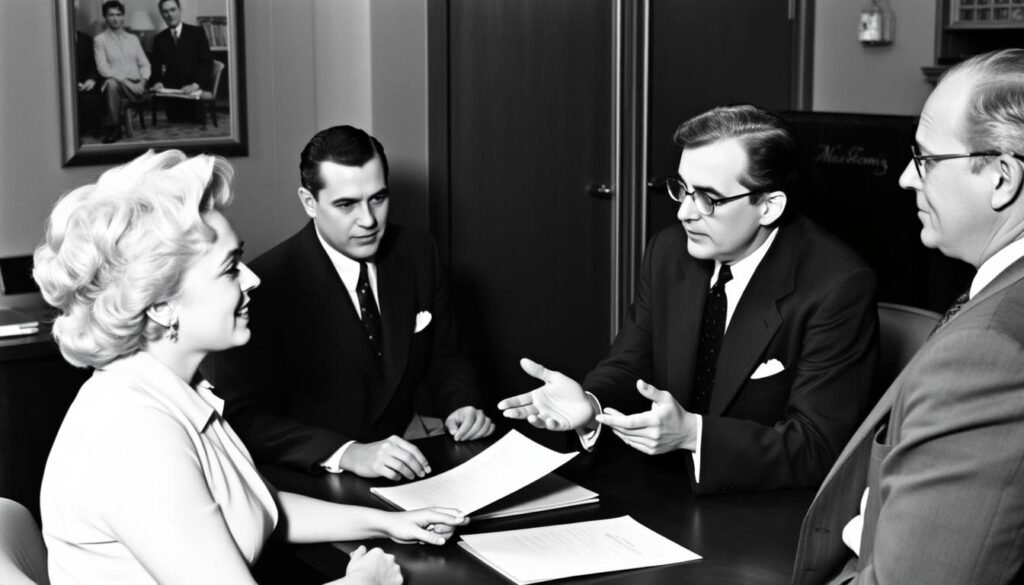
Monroe fought against the studio system, breaking her contract with Fox to start her own production company in 1954.
Monroe’s career was a constant battle against a system designed to exploit rather than empower women. The studio system of 1950s Hollywood was dominated by powerful men who viewed actresses as commodities rather than artists. Monroe was repeatedly cast in roles that emphasized her sexuality at the expense of her talent.
“It wasn’t easy to make it big as an actress in 1950s Hollywood,” notes film historian Steven Cohan. “At the time, the film industry was dominated by the ‘studio system,’ an arrangement through which the ‘Big Five’ studios monopolized movie production, distribution, and exhibition. These male-dominated companies quashed the independent studios where women actors, directors, and producers had previously found success.”
Monroe’s decision to break her contract with Fox in 1954 and start her own production company was revolutionary. Few actresses of her era dared to challenge the studios so directly. Though Fox tried to blackball her, she ultimately prevailed, securing a new contract with better terms and greater creative control.
This business acumen contradicted her “dumb blonde” screen persona. Monroe was, in fact, a shrewd negotiator who understood her value in the industry. When Fox fired her during the filming of “Something’s Got to Give” in 1962, she fought back and was rehired with improved conditions shortly before her death.
Despite her commercial success—her films grossed more than $200 million—Monroe struggled to be taken seriously as an actress. Her move to New York to study with Lee Strasberg at the Actors Studio in the mid-1950s reflected her determination to develop her craft beyond the limitations of her typecasting.
Films like “Bus Stop” (1956) and “The Misfits” (1961) showcased her dramatic range, but critics often failed to look beyond her sex symbol status. Even today, discussions of Monroe’s work frequently focus more on her appearance than her considerable talent.
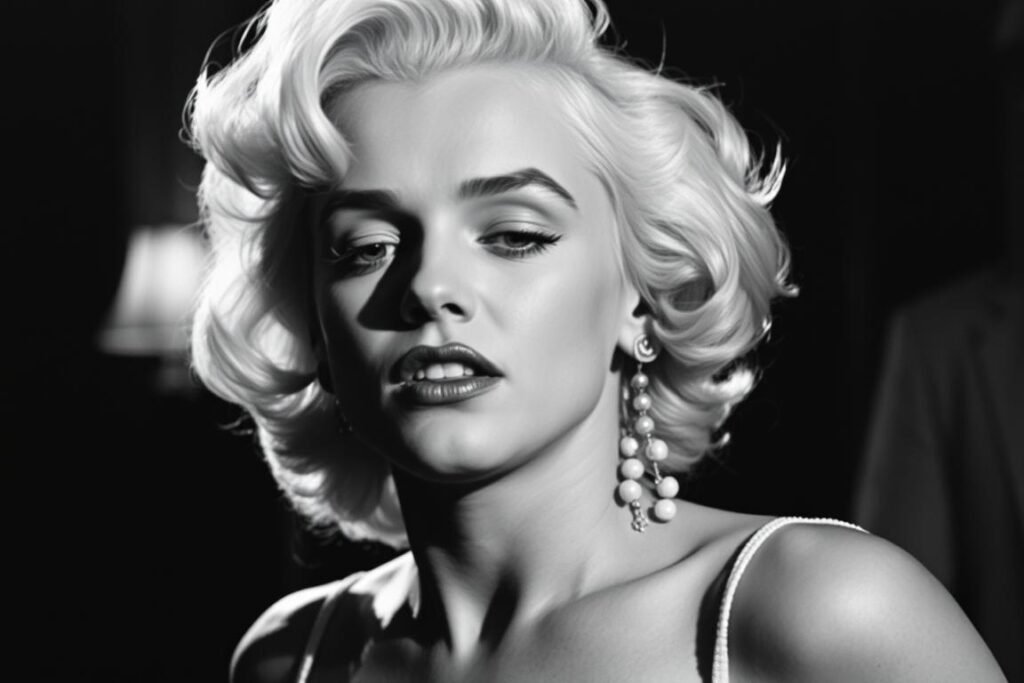
In “The Misfits” (1961), Monroe demonstrated her dramatic range beyond the “dumb blonde” roles that made her famous.
The Divide: Public Icon vs. Private Reality
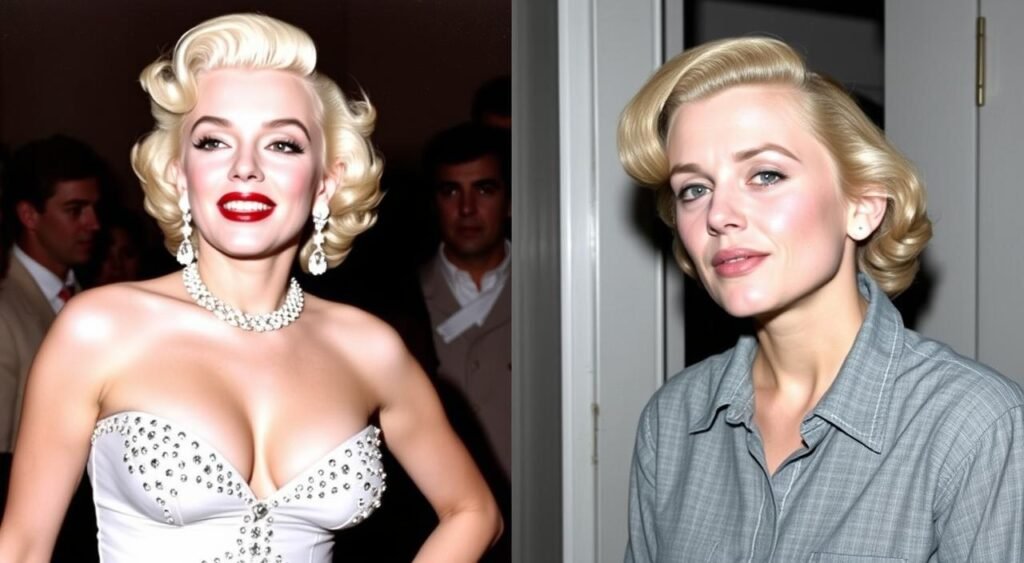
The contrast between Monroe’s carefully crafted public image and her private reality was stark.
Perhaps the most poignant aspect of Monroe’s story is the vast divide between her public persona and private reality. To the world, she was the embodiment of joy, sexuality, and confidence. In private, she battled insecurity, loneliness, and a desperate need for acceptance.
“I don’t think there was a ‘real’ Marilyn Monroe,” says Vogel. “She was a character and a persona to be played, both on and off the screen. At the heart of it all, Marilyn Monroe was still Norma Jeane… When she acted a part, it was Norma Jeane, playing Marilyn Monroe, playing said role. Not easy.”
This duality is evident in Monroe’s own words from her final interview with Life magazine, published just days before her death: “When you’re famous you kind of run into human nature in a raw kind of way. It stirs up envy, fame does. People you run into feel that, well, who is she—who is she, who does she think she is, Marilyn Monroe?”
“I don’t want to make money, I just want to be wonderful.”
In the same interview, Monroe pleaded, “Please don’t make me a joke. End the interview with what I believe. I don’t mind making jokes, but I don’t want to look like one. I want to be an artist, an actress with integrity.” These words went unpublished until after her death, a final example of how her authentic voice was often silenced.
Monroe’s trailer for the film “Blonde” captures this split identity: “When I come out of my dressing room, I’m Norma Jeane. I’m still her when the camera’s rolling. Marilyn Monroe only exists on the screen.” This sentiment echoes what many who knew her observed—that “Marilyn” was a character performed by Norma Jeane, a role that ultimately consumed her.
Beyond the Legend: Monroe’s Enduring Legacy
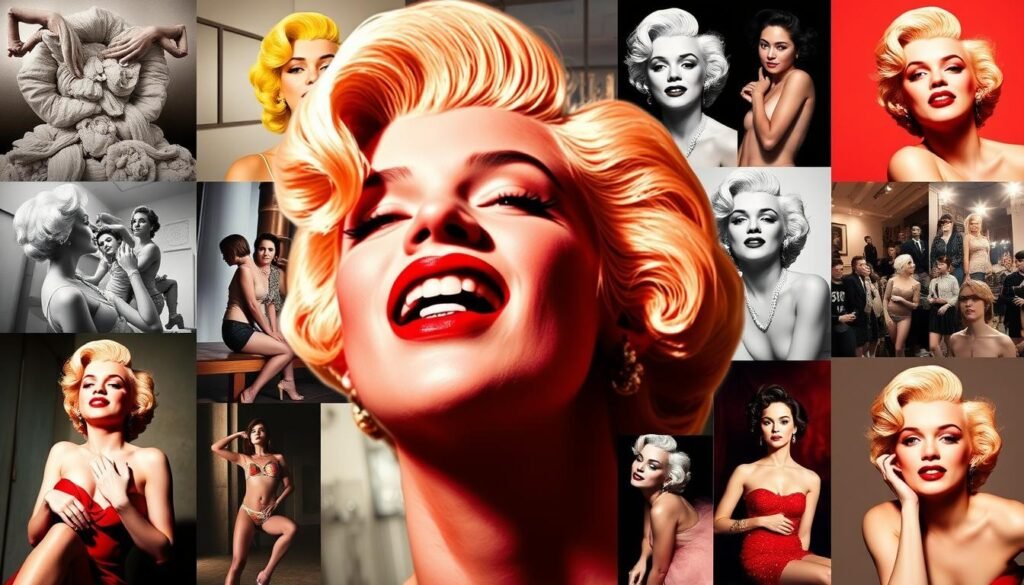
Monroe’s influence extends far beyond film, impacting art, fashion, and discussions about celebrity culture and feminism.
On August 5, 1962, at the age of 36, Marilyn Monroe was found dead in her Brentwood home from a barbiturate overdose. The circumstances of her death remain controversial, with theories ranging from suicide to accidental overdose to more sinister possibilities. Regardless of how she died, her legacy has only grown in the decades since.
Monroe’s cultural impact extends far beyond her films. She has been imitated by countless celebrities, including Madonna, Lady Gaga, and Gwen Stefani. Her image has been appropriated by artists like Andy Warhol, whose iconic silkscreens transformed her into a symbol of celebrity culture itself.
But perhaps her most important legacy lies in how her story continues to prompt discussions about women in Hollywood, mental health, and the price of fame. Monroe’s struggles with the studio system foreshadowed later movements for gender equality in the entertainment industry. Her openness about her difficult childhood helped destigmatize conversations about trauma and its lasting effects.
“It’s as if we feel robbed of what could have been had Marilyn lived longer,” reflects Vogel, “so we cling on to everything she gave us, and repeatedly watch it, over and over and over again… Maybe we’ll see or hear something new this time, or maybe it will be a comfortable reminiscence of memories that makes us feel nostalgic joy in knowing that no matter how much time has passed, she is still there.”
Monroe biographer Lois Banner perhaps encapsulates her enduring allure best: “In the case of Marilyn, people believe what they want to believe. She lives in the fantasies of the national imagination, enshrined in a story with endless possibilities, plots, characters and events. Marilyn’s life and death have become flexible, plastic representations of a real person and a real event… No one can deny the power of her representation.”
Sixty years after her death, we’re still trying to understand the woman behind the smile—the vulnerable, intelligent, ambitious Norma Jeane who became the legendary Marilyn Monroe. Her story reminds us that behind every icon is a human being with dreams, fears, and an inner life far more complex than any public image could capture.
Explore More About the Real Marilyn Monroe
Discover the Woman Behind the Icon
If you’re fascinated by Marilyn Monroe’s complex life and legacy, these resources offer deeper insights into the real woman behind the legendary smile.
Essential Reading
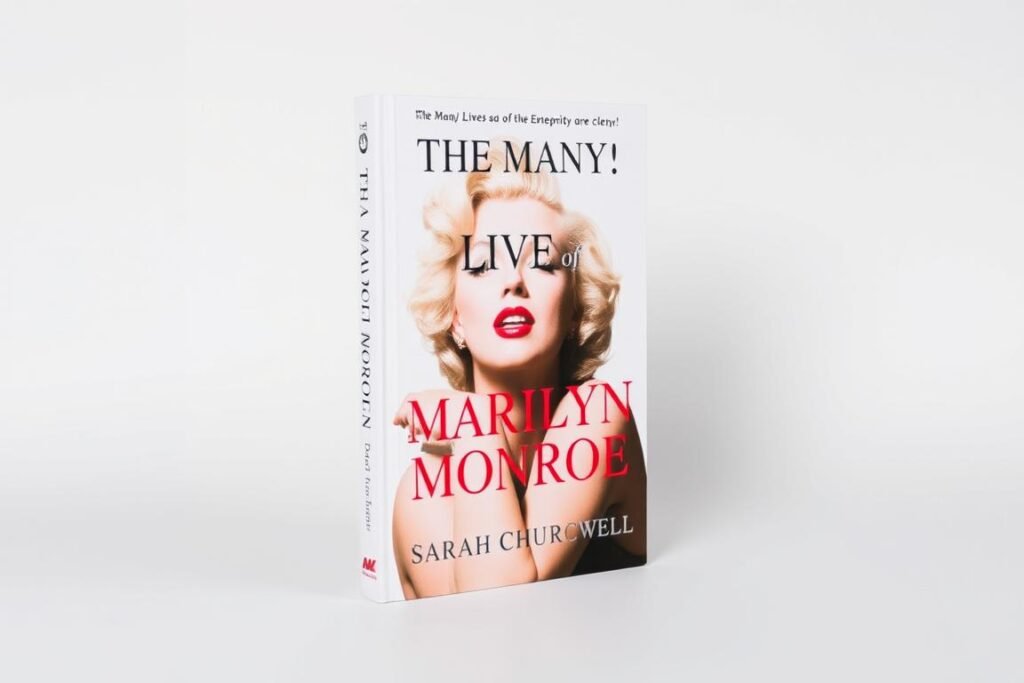
“The Many Lives of Marilyn Monroe” by Sarah Churchwell offers a scholarly examination of the myths and realities surrounding Monroe’s life. “Marilyn: The Passion and the Paradox” by Lois Banner provides a feminist perspective on Monroe’s cultural significance.
Documentaries
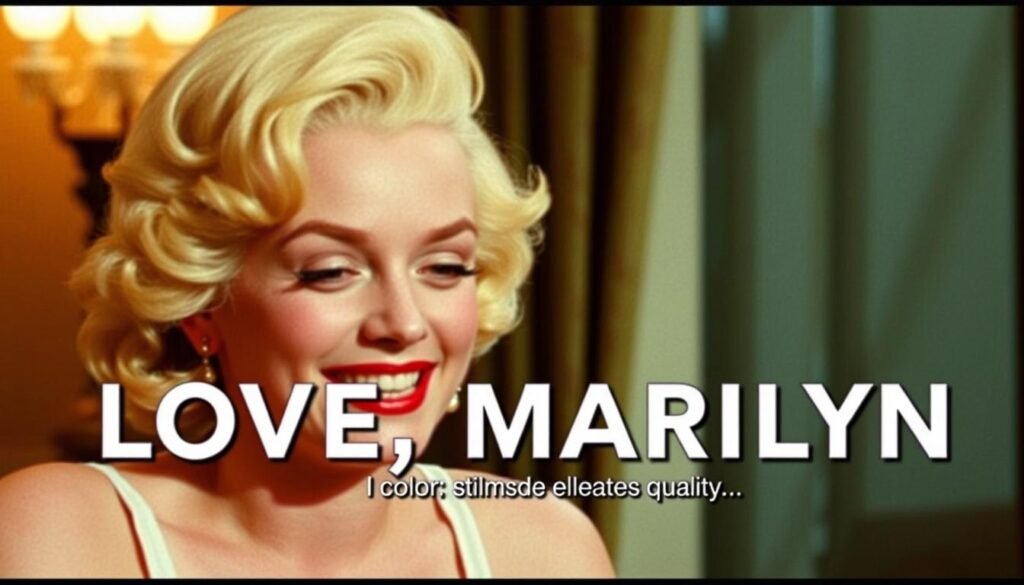
“Love, Marilyn” (2012) features actresses reading from Monroe’s personal journals, revealing her inner thoughts. “Marilyn Monroe: The Final Days” provides insights into her last film project and the circumstances surrounding her death.
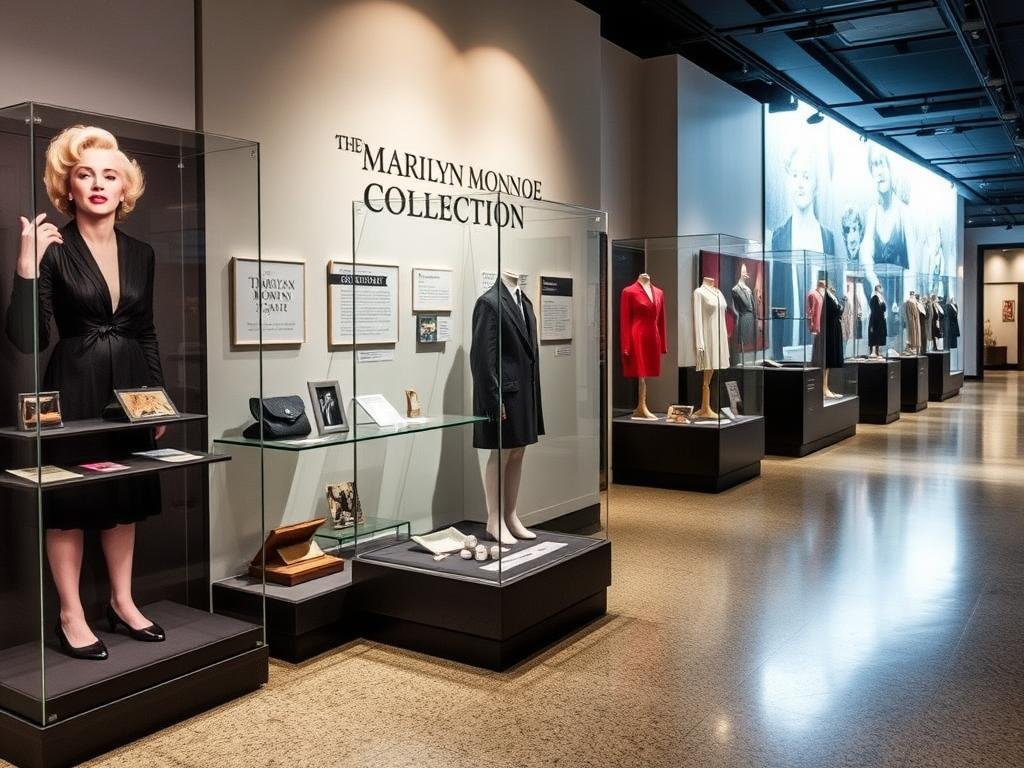
Collections & Exhibits
The Marilyn Monroe Collection preserves many of her personal items, including her extensive library of books. Various museums periodically host exhibitions of her personal effects, photographs, and costumes, offering glimpses into her private world.
The Enduring Mystery of Marilyn
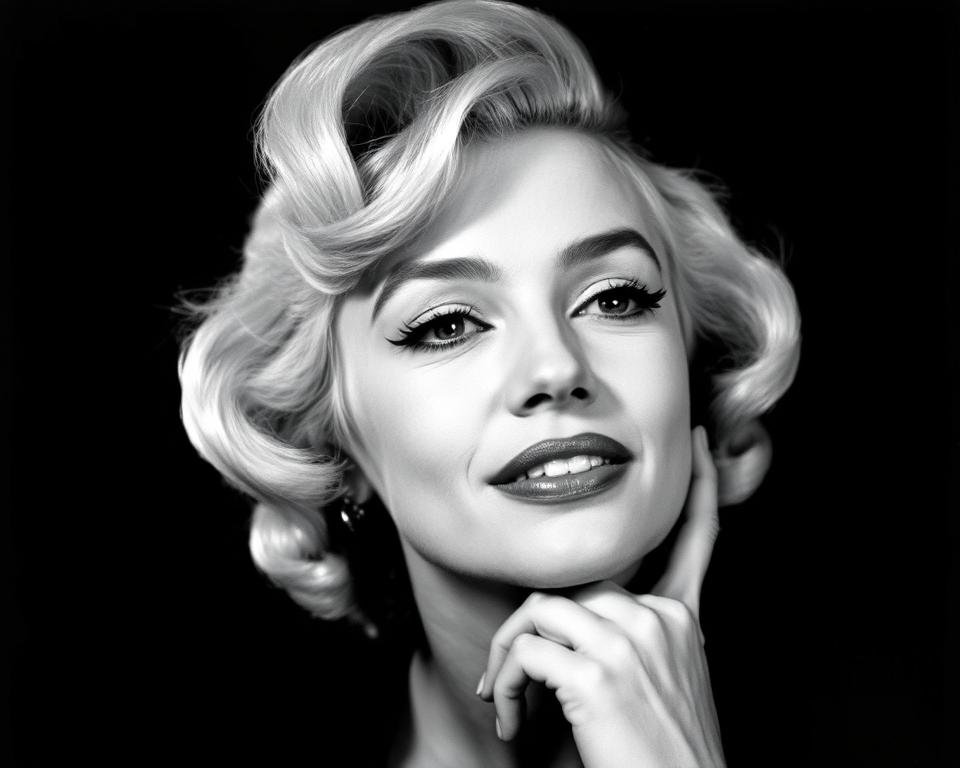
In her final years, Monroe was on the cusp of reinventing herself once again before her untimely death at age 36.
Marilyn Monroe’s story is both uniquely her own and universally resonant. It speaks to our cultural obsession with celebrity, the price of fame, and the gap between public personas and private realities. It reminds us that behind every icon is a human being with dreams, fears, and complexities that no image can fully capture.
In her final interview, Monroe made a simple request that encapsulates her lifelong struggle: “Please don’t make me a joke. End the interview with what I believe. I don’t mind making jokes, but I don’t want to look like one. I want to be an artist, an actress with integrity.” Six decades after her death, perhaps we can finally honor that request by remembering not just the dazzling smile and platinum hair, but the determined, intelligent woman who created herself against all odds—the real Marilyn Monroe.