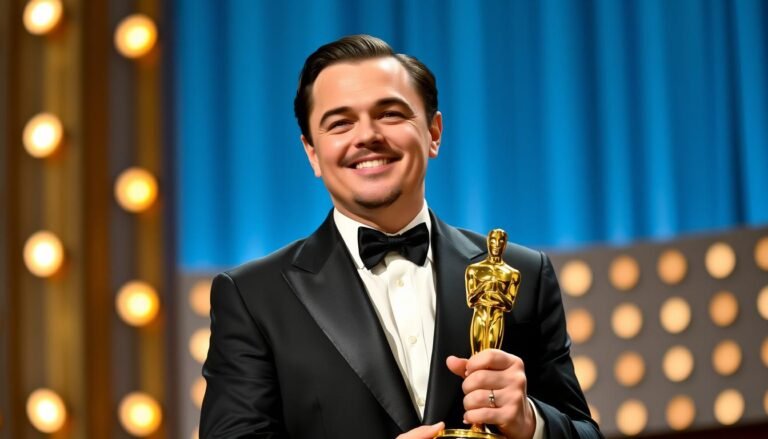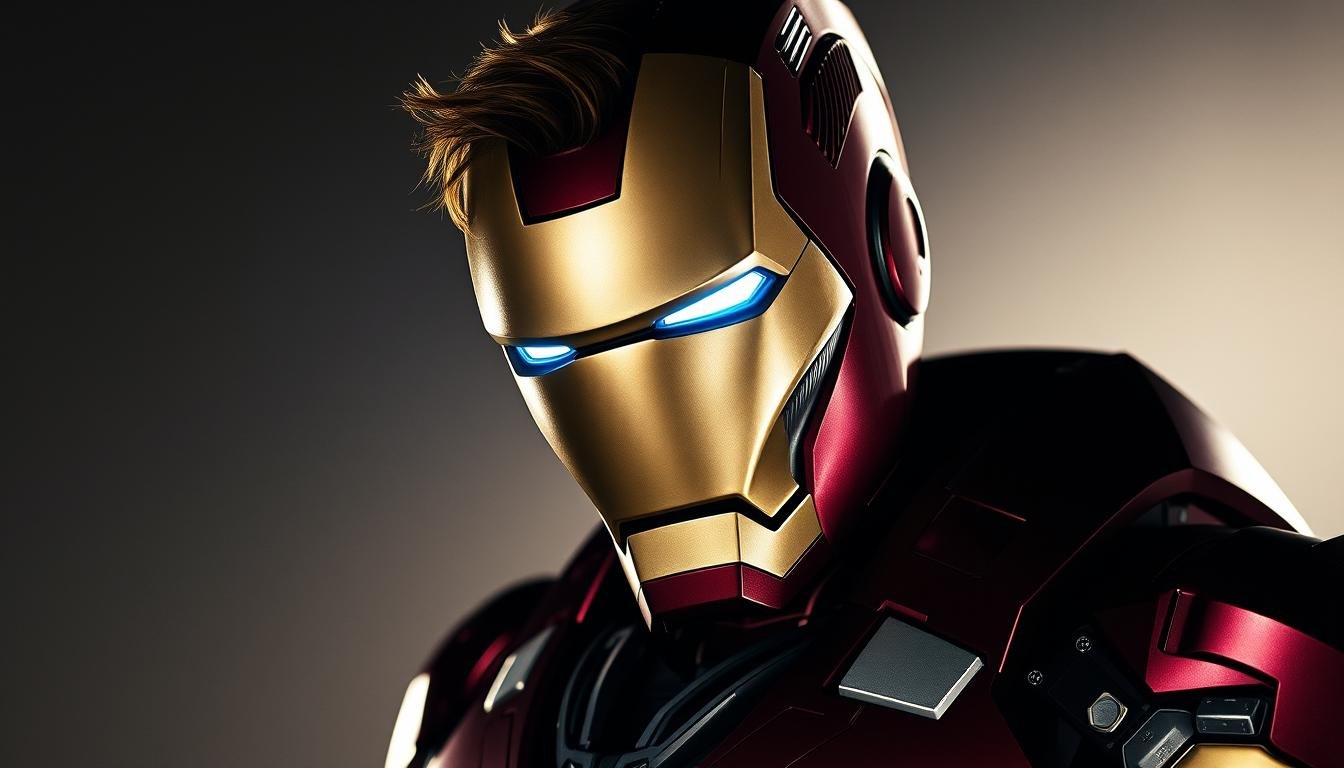
Robert Downey Jr.: The Iron Will Behind Iron Man
“I am Iron Man.” These four words not only defined a pivotal moment in cinematic history when Tony Stark revealed his superhero identity, but they also eerily parallel Robert Downey Jr.’s own declaration of resilience in the face of seemingly insurmountable personal demons. Behind the armor of Hollywood success lies a man whose real-life journey of fall and redemption rivals any superhero origin story—a testament to what can only be described as an unbreakable iron will.
When Marvel Studios took a chance on casting Robert Downey Jr. as Tony Stark in 2008, few could have predicted it would launch both the actor’s career renaissance and one of the most successful film franchises in history. Yet the parallels between Downey and Stark run deeper than most realize—both are brilliant, flawed men who engineered their own redemption through determination and an unwavering will to overcome their darkest moments.
This is the story of how a once-troubled actor transformed personal chaos into triumph, demonstrating a resilience so powerful it rivals the fictional arc of the superhero he would come to embody. Through addiction, incarceration, and Hollywood exile, Downey forged his comeback with the same iron will that Tony Stark used to build his first suit—one painful, determined step at a time.
From Chaos to Comeback: The Downey Redemption Arc
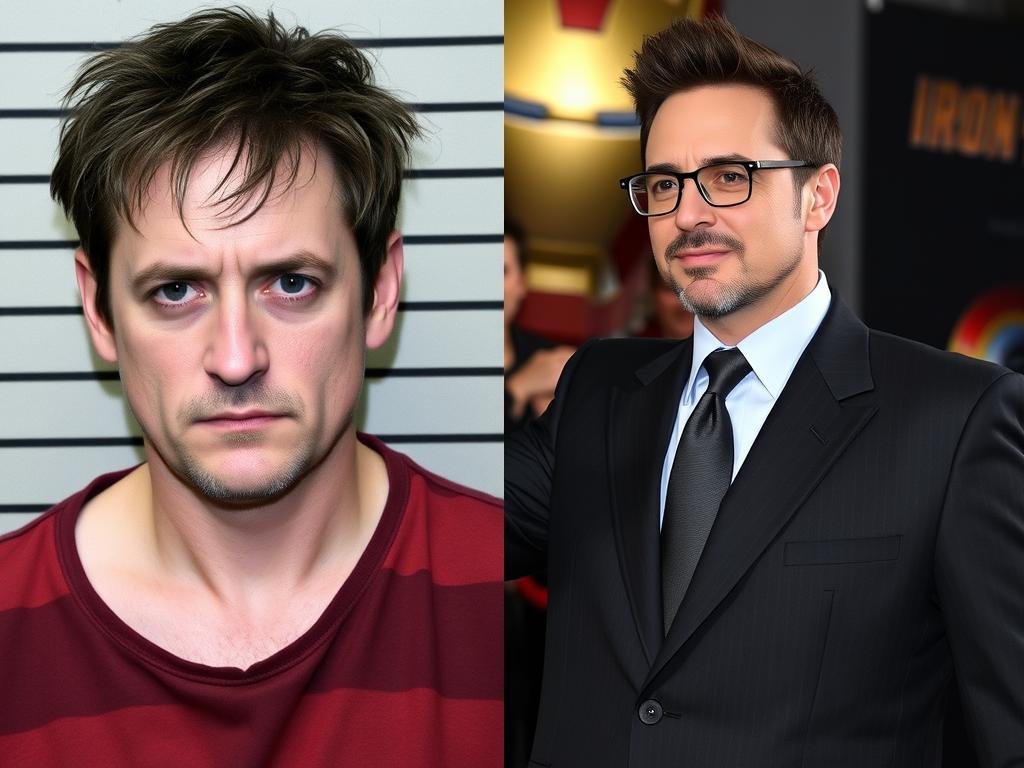
Robert Downey Jr.’s descent into addiction began early in his career, despite his undeniable talent and early success. By the late 1990s, his promising career had been derailed by multiple arrests, rehab stints, and a year-long prison sentence. Hollywood had all but written him off as another cautionary tale of talent squandered by substance abuse.
“Remember that just because you hit bottom doesn’t mean you have to stay there.”
The 2003 Turning Point: An Iron Will Emerges
In July 2003, Downey made what he later described as a life-altering decision. Standing in a Burger King parking lot, he threw his drugs into the ocean in a moment of clarity that would mark the beginning of his sobriety journey. This pivotal moment—later referenced in the first Iron Man film when Tony Stark requests a cheeseburger upon his return from captivity—demonstrated the first glimmers of the iron will that would define his comeback.
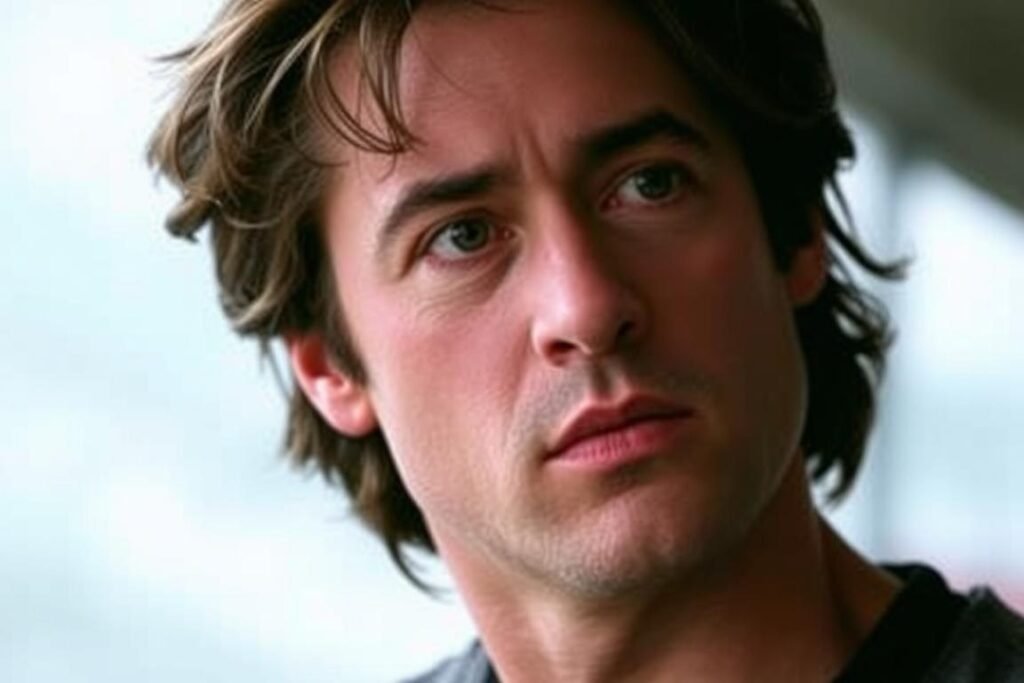
Mel Gibson, believing in Downey’s potential for redemption, paid the actor’s insurance bond for the 2003 film “The Singing Detective”—a gesture that gave Downey a crucial second chance when most studios considered him unhirable. This opportunity became the first stepping stone in rebuilding a career that many considered beyond salvation.
Against All Odds: The Iron Man Casting
When director Jon Favreau fought to cast Downey as Tony Stark in 2007, Marvel Studios executives were understandably hesitant. Entrusting a $140 million superhero franchise to an actor with Downey’s troubled history seemed like a recipe for disaster. Yet Favreau saw something others missed—the perfect alignment between actor and character.
“I had to fight for him as the studio was hesitant. It was my job as a director to show that it was the best choice creatively… and now the Marvel Universe would not be what it is today without Robert Downey Jr.”
Downey’s casting as Tony Stark wasn’t just a career opportunity—it was a mirror of his own life story. Like Stark, he was a man seeking redemption, transforming personal flaws into strength through sheer determination. The iron will that helped him overcome addiction became the same force that would make his portrayal of Iron Man so authentic and compelling.
Method Acting Meets Mental Fortitude: Forging the Iron Will
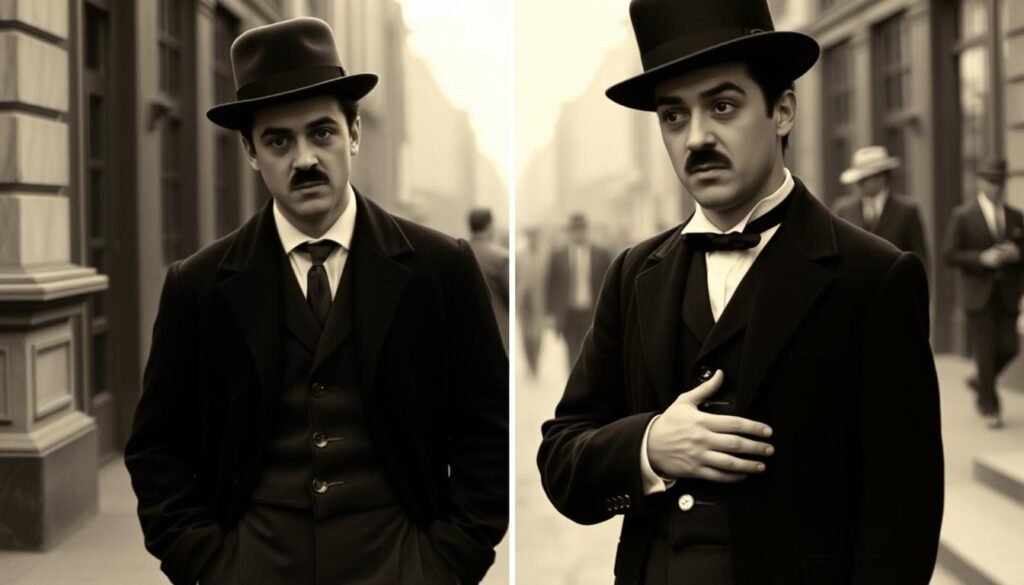
Long before he became Iron Man, Robert Downey Jr. was known for his extraordinary commitment to his craft. His preparation for the 1992 film “Chaplin” showcased an early glimpse of the iron will that would later define his comeback. To embody Charlie Chaplin, Downey underwent months of physical training to master the icon’s distinctive movements and mannerisms.
The Physical Demands of Iron Will
For “Chaplin,” Downey learned to play tennis and violin left-handed, just as Chaplin did. He studied silent film techniques and spent countless hours perfecting Chaplin’s unique walk and expressions. This transformation earned him his first Academy Award nomination and established his reputation as an actor willing to completely reinvent himself for a role.
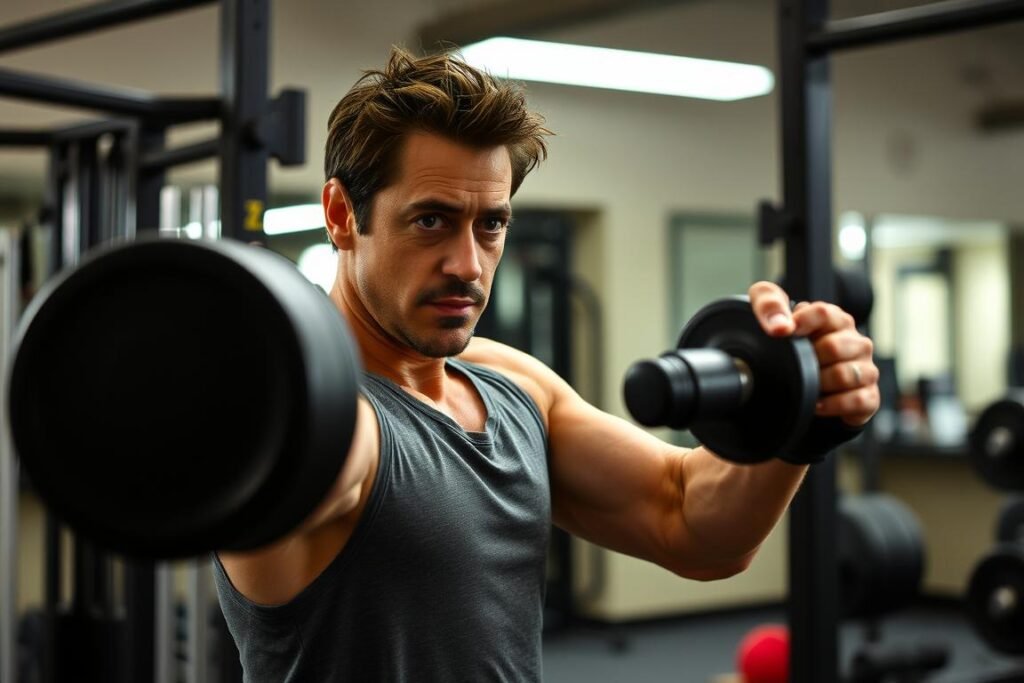
Years later, preparing for “Iron Man” required a different kind of transformation. At 43, Downey committed to an intense physical regimen to build the physique of a believable superhero. Working with trainer Brad Bose, he developed a workout program combining Wing Chun kung fu, weight training, and cardio to achieve the lean, muscular build of Tony Stark.
“I’ve found that any time I’ve said ‘I’m done with this’ or ‘I can’t handle this anymore’ or ‘I can’t do this,’ it’s usually because I’m afraid of something. It’s just a different way of saying ‘I’m scared.'”
Mental Discipline: The True Iron Will
For “Sherlock Holmes,” Downey again demonstrated his iron will through rigorous preparation. He immersed himself in Arthur Conan Doyle’s original stories and trained in the fictional detective’s boxing style. Director Guy Ritchie noted that Downey’s commitment went beyond physical preparation—he brought an intellectual intensity to the role that transformed Holmes from a cerebral detective to a physically and mentally formidable character.
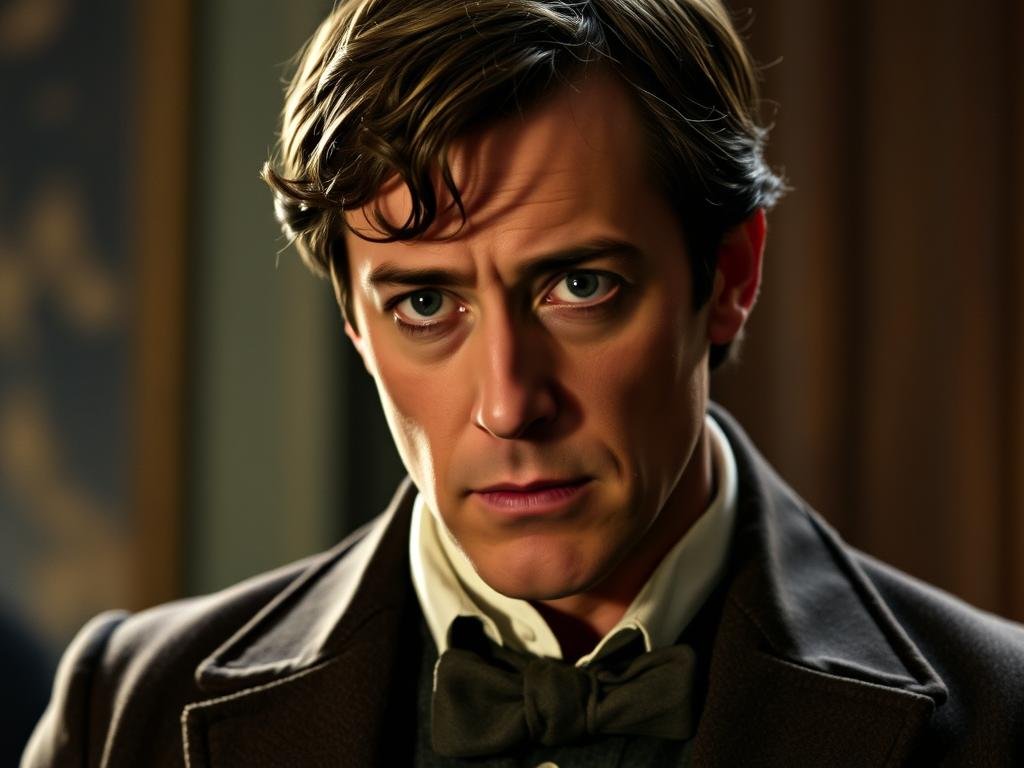
But perhaps the most remarkable aspect of Downey’s method is how he channels his own life experiences into his performances. The vulnerability and redemption arc of Tony Stark resonates because Downey lived it. His portrayal draws from authentic emotional wells—the struggle with addiction, the journey to redemption, and the determination to redefine oneself—all hallmarks of his personal iron will.
Legacy Beyond the Armor: Teaching Resilience Through Storytelling
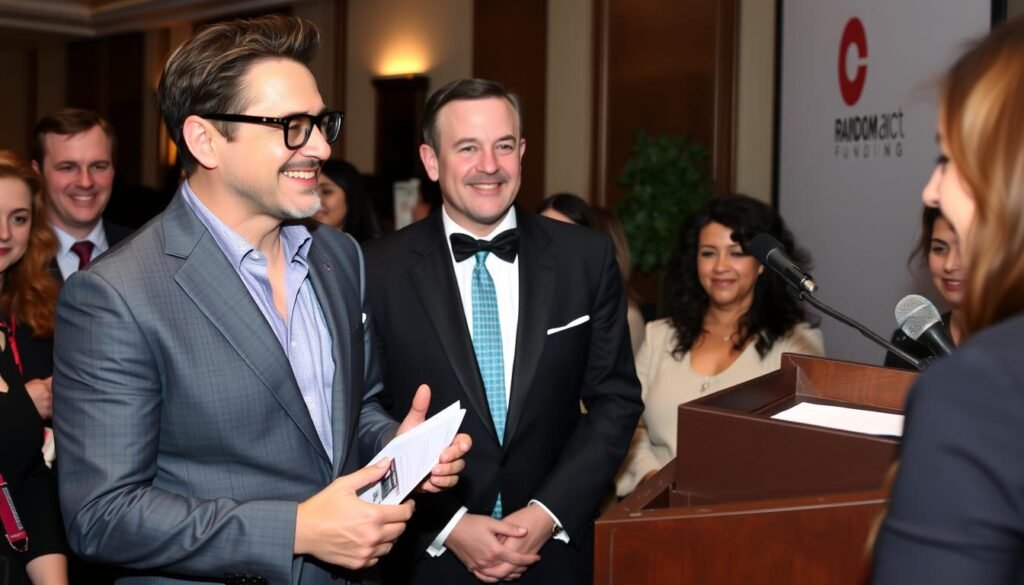
After “Avengers: Endgame” concluded Tony Stark’s journey, Downey faced a new challenge: defining his legacy beyond the role that resurrected his career. His post-Marvel choices reveal a man determined to use his platform and experiences to inspire others—extending his iron will to philanthropic efforts and meaningful storytelling.
In 2019, Downey launched the Footprint Coalition, an organization focused on using advanced technologies to restore the environment. This venture reflects the same forward-thinking optimism that characterized Tony Stark, channeling Downey’s influence toward real-world solutions.
“I’m not what I did with that studio. I’m not that period of time that I spent playing this character. And it sucks, because the kid in all of us wants to be like, ‘No! It’s always going to be summer camp and we’re all holding hands and singing kumbaya.'”
The Iron Will to Reinvent
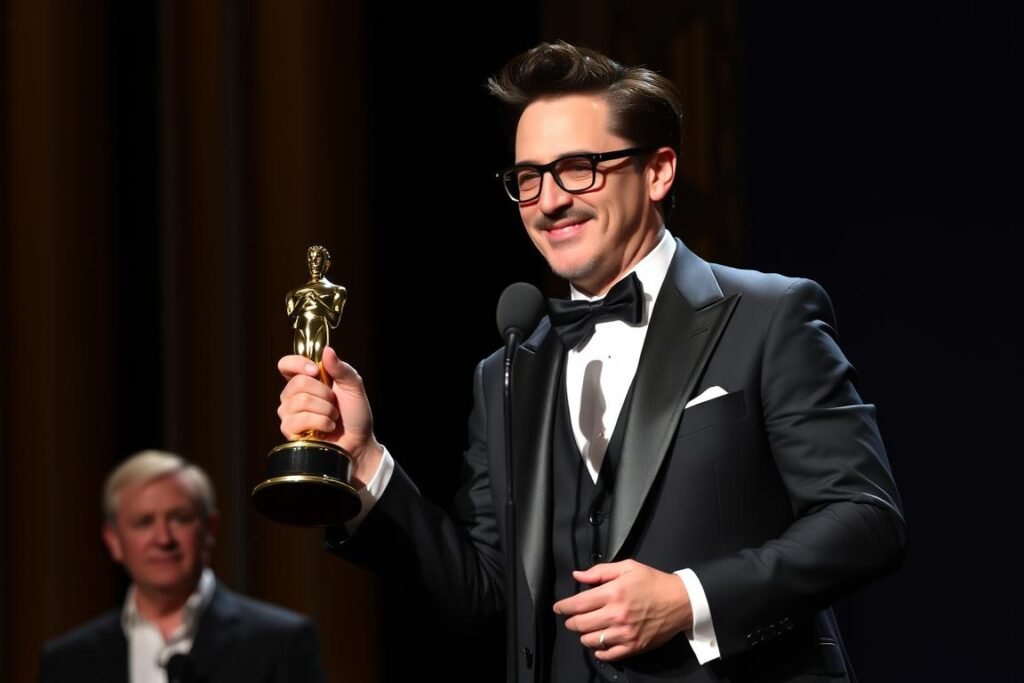
Downey’s career choices after Iron Man demonstrate his continued iron will to evolve as an artist. Taking on the role of Dr. Dolittle represented a risk—stepping away from the cool confidence of Tony Stark to embrace a more eccentric character. Though the film received mixed reviews, it showcased Downey’s willingness to venture beyond the safety of his Marvel success.
His production company, Team Downey, co-founded with his wife Susan Downey, further extends his influence beyond acting. The company focuses on developing projects that tell compelling stories across various media platforms, including the critically acclaimed HBO series “Perry Mason” and Netflix’s “Sweet Tooth.”
Inspiring the Next Generation

Perhaps Downey’s most significant legacy is how his personal journey inspires others facing their own battles. Through his work with addiction recovery programs and mental health initiatives, he transforms his struggles into hope for those fighting similar demons.
The Robert Downey Jr. Foundation supports various causes related to addiction recovery, criminal justice reform, and children’s hospitals. His openness about his own journey—from rock bottom to redemption—offers a powerful message: with iron will, even the most damaged among us can rebuild and thrive.
“Job one is get out of that cave. A lot of people do get out but don’t change. So the thing is to get out and recognize the significance of that aggressive denial of your fate, come through the crucible forged into a stronger metal.”
The Continuing Saga of an Iron Will
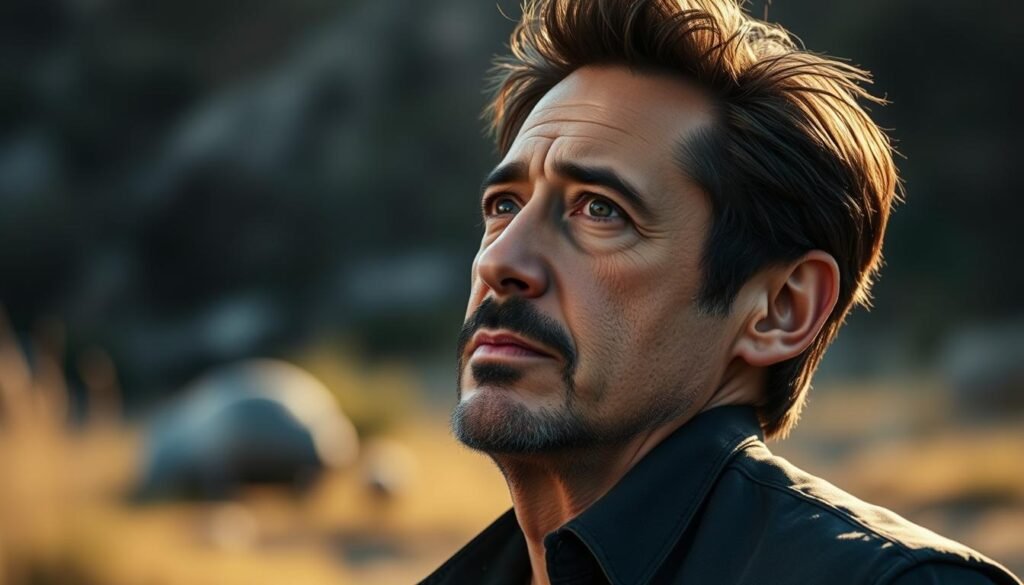
Robert Downey Jr.’s story transcends Hollywood comeback narratives. It stands as a testament to the power of human resilience—an iron will forged in the fires of personal adversity and tempered through years of determined recovery. From the depths of addiction and incarceration to becoming the beloved centerpiece of the world’s most successful film franchise, his journey reminds us that our greatest weaknesses can become our most profound strengths.
Like Tony Stark, who transformed from weapons manufacturer to world savior, Downey transformed from cautionary tale to inspiration. His legacy isn’t just in the films he’s made or the characters he’s portrayed—it’s in the millions of people who see in his story the possibility of their own redemption.
As we look to the future, one thing remains certain: the iron will that carried Robert Downey Jr. through his darkest hours continues to drive him forward into new creative territories and meaningful endeavors. His story isn’t over—it’s simply entering its next chapter, with the same determination that turned “I am Iron Man” from a casting risk into one of cinema’s most iconic moments.
Share Your Iron Will Moment
We all face challenges that test our resilience. What was your “iron will” moment—a time when you overcame seemingly impossible odds through sheer determination? Share your story in the comments below and inspire others with your journey.