Greta Thunberg: How Youth Activism Is Reshaping the Global Climate Crisis Debate
When a 15-year-old Swedish girl sat alone outside her country’s parliament in August 2018, few could have predicted she would become the face of global climate activism. Greta Thunberg’s solitary “School Strike for Climate” has evolved into a worldwide movement, mobilizing millions of young people demanding urgent action on climate change. Her journey from a quiet student to a powerful voice on the world stage demonstrates how youth activism is fundamentally reshaping the climate crisis debate.
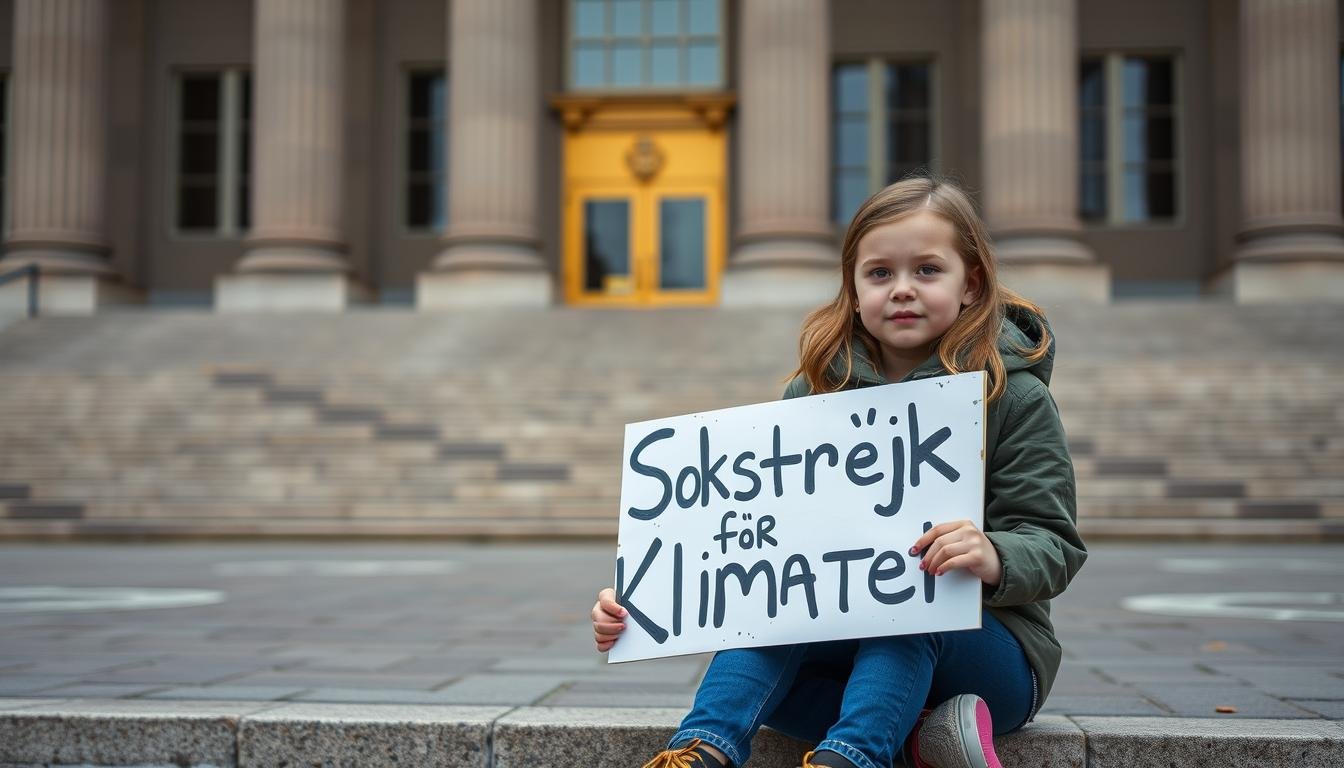
Greta Thunberg’s first climate strike outside the Swedish parliament in August 2018 sparked a global movement.
From Solo Protest to Global Movement: Thunberg’s Rise (2018-2023)
Born in Stockholm in 2003, Greta Thunberg first learned about climate change at age eight. By eleven, she had fallen into depression, stopped talking, and eventually stopped attending school. During this period, she was diagnosed with Asperger’s syndrome, which she later described as her “superpower” that helped fuel her activism.
In summer 2018, Thunberg began her first “School Strike for Climate” outside the Swedish parliament. What started as a solitary protest quickly captured international attention. Within months, hundreds of thousands of students worldwide joined her Fridays For Future movement, skipping school to demand climate action from their governments.
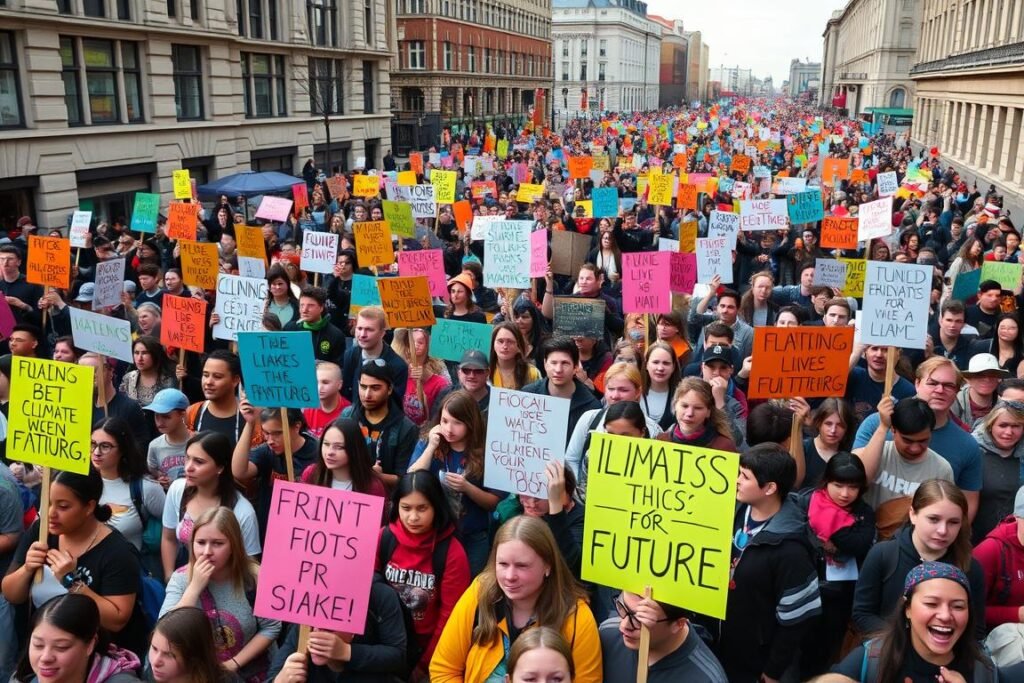
The Fridays For Future movement grew to include hundreds of thousands of students across the globe.
Thunberg’s rise to prominence accelerated in 2019 when she addressed the European Parliament, sailed across the Atlantic to speak at the UN Climate Action Summit in New York, and became Time magazine’s youngest-ever Person of the Year. Her famous “How dare you” speech, in which she accused world leaders of stealing her dreams and childhood with empty words, resonated globally.
“You have stolen my dreams and my childhood with your empty words. And yet I’m one of the lucky ones. People are suffering. People are dying. Entire ecosystems are collapsing. We are in the beginning of a mass extinction, and all you can talk about is money and fairy tales of eternal economic growth. How dare you!”
Between 2019 and 2023, Thunberg’s influence continued to grow. She was nominated for the Nobel Peace Prize five consecutive years, published “The Climate Book” featuring essays from 100 scientists and activists, and participated in climate protests worldwide, often resulting in her arrest and subsequent fines.
Join the Climate Action Movement
Inspired by Greta’s courage? Join millions of climate activists worldwide by participating in local Fridays For Future events or supporting global climate initiatives.
Youth vs. Institutional Power: The Generational Climate Divide
The rise of youth climate activism led by Thunberg has highlighted a stark generational divide in approaches to the climate crisis. Young activists demand immediate, radical action based on scientific consensus, while many political and industrial institutions continue to move at a pace activists consider dangerously slow.
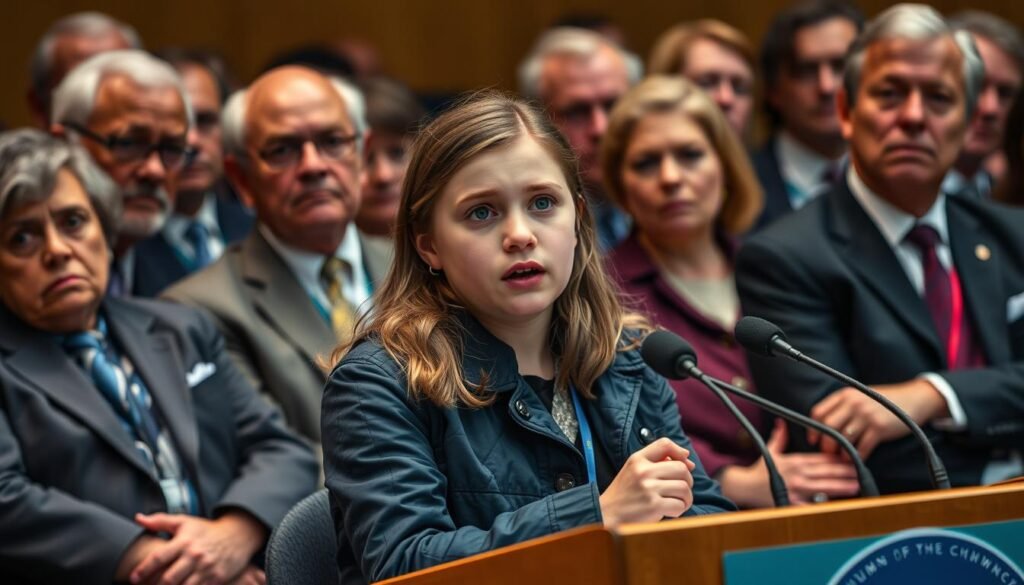
Thunberg has consistently challenged world leaders for their inadequate response to the climate crisis.
Key Demands of Youth Climate Activists:
- Immediate phase-out of fossil fuel subsidies and investments
- Legally binding commitments to limit warming to 1.5°C above pre-industrial levels
- Climate justice for vulnerable communities already affected by climate change
- Recognition of climate change as an emergency requiring wartime-level mobilization
- Inclusion of youth voices in climate policy decisions
The clash between youth activists and established institutions has been particularly evident at UN climate conferences. At COP26 in Glasgow, Thunberg criticized the proceedings as “blah, blah, blah” – symbolic talk without meaningful action. This sentiment resonated with millions of young people who feel their future is being compromised by institutional inertia.
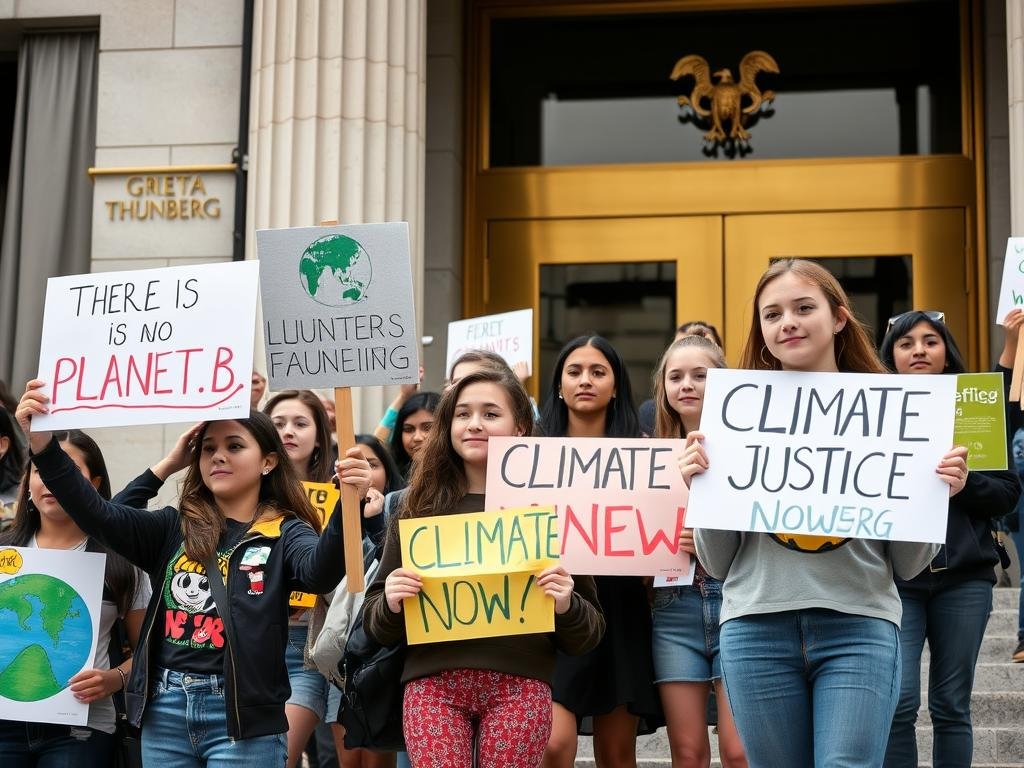
Youth climate activists frequently protest outside government buildings and corporate headquarters to demand immediate action.
Statistics reveal the scale of youth engagement in climate activism since Thunberg’s initial protest:
| Year | Global Climate Strike Participation | Countries Involved | Notable Outcomes |
| 2019 (March) | 1.6 million | 125 | First major global climate strike |
| 2019 (September) | 7.6 million | 185 | Largest climate mobilization in history |
| 2021 | 3.5 million | 150+ | Post-pandemic revival of movement |
| 2023 | 4.2 million | 160+ | Increased focus on climate justice |
Media Portrayal and Digital Activism Strategies
The “Greta effect” has been amplified by social media, allowing youth climate activism to bypass traditional media gatekeepers. Thunberg herself has amassed millions of followers across platforms, using her reach to share scientific information, organize protests, and directly challenge world leaders.

Social media has been crucial in amplifying Thunberg’s message and organizing global climate strikes.
Thunberg’s digital presence has been characterized by authenticity, scientific accuracy, and a willingness to engage in public debate. Her response to critics, including world leaders like Donald Trump and Vladimir Putin, has demonstrated how young activists can effectively use social media to counter attacks from powerful figures.
Effective Digital Activism Strategies
- Consistent messaging focused on scientific consensus
- Strategic use of hashtags (#FridaysForFuture, #ClimateStrike)
- Sharing personal stories connecting climate change to daily life
- Coordinating global actions through digital platforms
- Using humor and authenticity to counter critics
Media Portrayal Challenges
- Dismissal of youth activists as naive or uninformed
- Focus on personality over message
- Attempts to discredit based on age or neurodiversity
- Polarized coverage along political lines
- Emphasis on conflict rather than climate science

Youth climate activists utilize multiple digital platforms to coordinate global actions and share scientific information.
The digital-first approach of the youth climate movement has created unprecedented global coordination. When Thunberg announced a climate strike, millions worldwide could mobilize within days – a level of international organization that would have been impossible in the pre-digital era.
Amplify Climate Action Messages
Use your social media presence to spread awareness about climate change and upcoming actions. Follow key climate activists and share scientifically accurate information.
Scientific Consensus vs. Political Compromise
A central theme of Thunberg’s activism has been her insistence that leaders follow the science on climate change without political compromise. Her famous line, “I want you to panic,” reflects her belief that the appropriate response to climate science is immediate, dramatic action rather than incremental policy changes.

Thunberg consistently bases her activism on scientific consensus, consulting with climate researchers.
The Intergovernmental Panel on Climate Change (IPCC) has stated that limiting global warming to 1.5°C requires “rapid, far-reaching and unprecedented changes in all aspects of society.” Thunberg and youth activists have embraced this scientific assessment, while many political processes continue to result in compromises that scientists warn are insufficient.
“You say you love your children above all else, and yet you are stealing their future in front of their very eyes… We cannot solve a crisis without treating it as a crisis… if solutions within the system are so impossible to find, maybe we should change the system itself.”
Critics of Thunberg have questioned her expertise, her youth, and even her neurodiversity. Former US President Donald Trump mockingly tweeted that she should “work on her Anger Management problem” and “Chill.” Russian President Vladimir Putin described her as a “kind, but poorly informed, teenager.” These criticisms often avoid engaging with the scientific consensus that forms the basis of her demands.
The gap between scientific consensus on climate change and political action remains a central focus of youth activism.
Supporters counter that Thunberg has never claimed personal expertise but consistently directs attention to scientific reports and experts. “Don’t listen to me, listen to the scientists,” she has repeatedly stated, positioning herself as a messenger rather than the source of climate information.
The “Greta Effect” on Climate Science Communication
Researchers have documented what they call “the Greta Effect” – a measurable increase in public engagement with climate science following Thunberg’s rise to prominence. Studies show increased downloads of climate research papers, higher public concern about climate change, and greater youth participation in science-based advocacy since 2018.
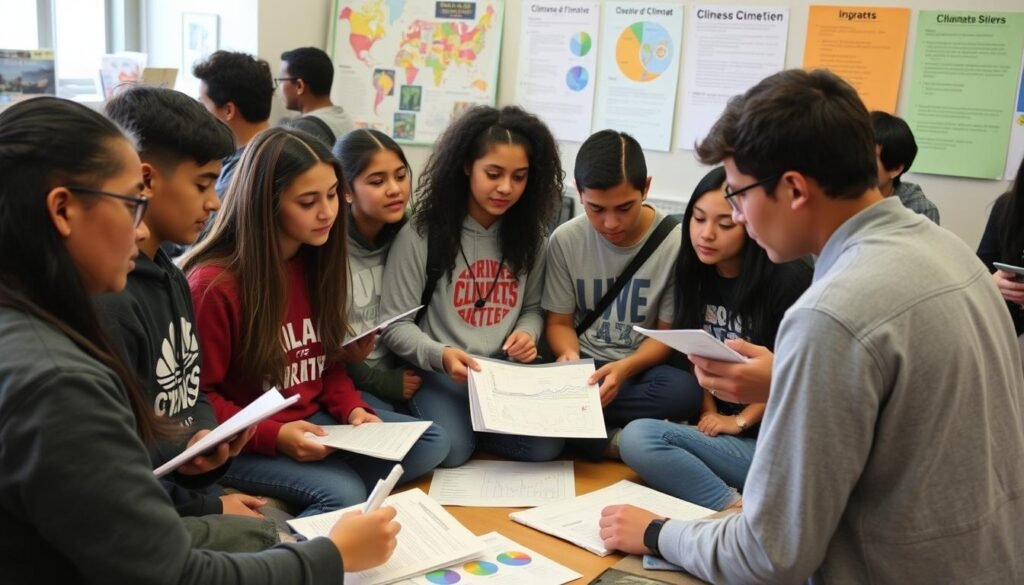
Youth climate activists have organized educational workshops to increase scientific literacy among participants.
The Future of Youth Climate Activism
As Thunberg graduated from high school in 2023, questions arose about the future of the movement she inspired. While she announced the end of her school strikes, she confirmed her activism would continue. The movement now faces several key challenges and opportunities:

The next generation of climate activists is building on Thunberg’s foundation while developing new approaches.
Ongoing Challenges
- Maintaining momentum as media attention fluctuates
- Translating protest energy into policy change
- Addressing climate justice and equity concerns
- Combating climate anxiety and activist burnout
- Bridging generational divides in approach and strategy
Emerging Opportunities
- Youth voting power as activists reach voting age
- Legal challenges and climate litigation
- Corporate accountability campaigns
- Integration of climate with other social justice movements
- Development of youth-led climate solutions
The concept of intergenerational climate justice – the idea that today’s decisions will disproportionately affect young people and future generations – remains central to youth climate activism. This framing has proven effective in highlighting the moral dimensions of climate inaction.
As the movement evolves, many youth activists are expanding beyond protest to develop and implement climate solutions in their communities. From renewable energy projects to regenerative agriculture initiatives, young people are demonstrating alternatives to carbon-intensive systems.
“We can’t just continue living as if there was no tomorrow, because there is a tomorrow. That is all we are saying.”
Take Climate Action Today
Whether you’re a student, educator, parent, or concerned citizen, there are meaningful ways to support the youth climate movement and take action in your community.
The Lasting Impact of Greta Thunberg’s Climate Activism
Greta Thunberg’s journey from a solitary protester to a global climate icon represents one of the most remarkable examples of youth-led activism in recent history. The movement she sparked has fundamentally altered the climate debate, bringing urgency, moral clarity, and youth perspectives to a crisis that will shape generations to come.
While critics continue to question her approach, the “Greta effect” has undeniably shifted public discourse, corporate policies, and political priorities regarding climate change. As broadcaster and naturalist Sir David Attenborough told her: “You have aroused the world. I’m very grateful to you.”
As the climate crisis intensifies, the intergenerational movement Thunberg helped build continues to evolve, adapt, and grow. Her simple message remains as powerful as when she first sat alone outside the Swedish parliament: the time for climate action is now, and no one is too small to make a difference.
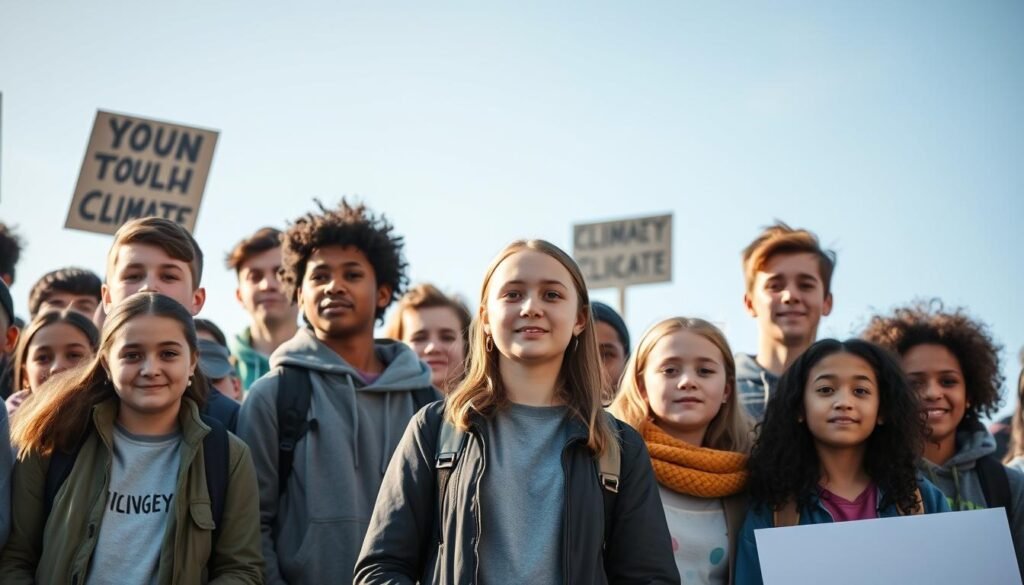
Thunberg’s climate activism has inspired a diverse, global movement that continues to grow and evolve.