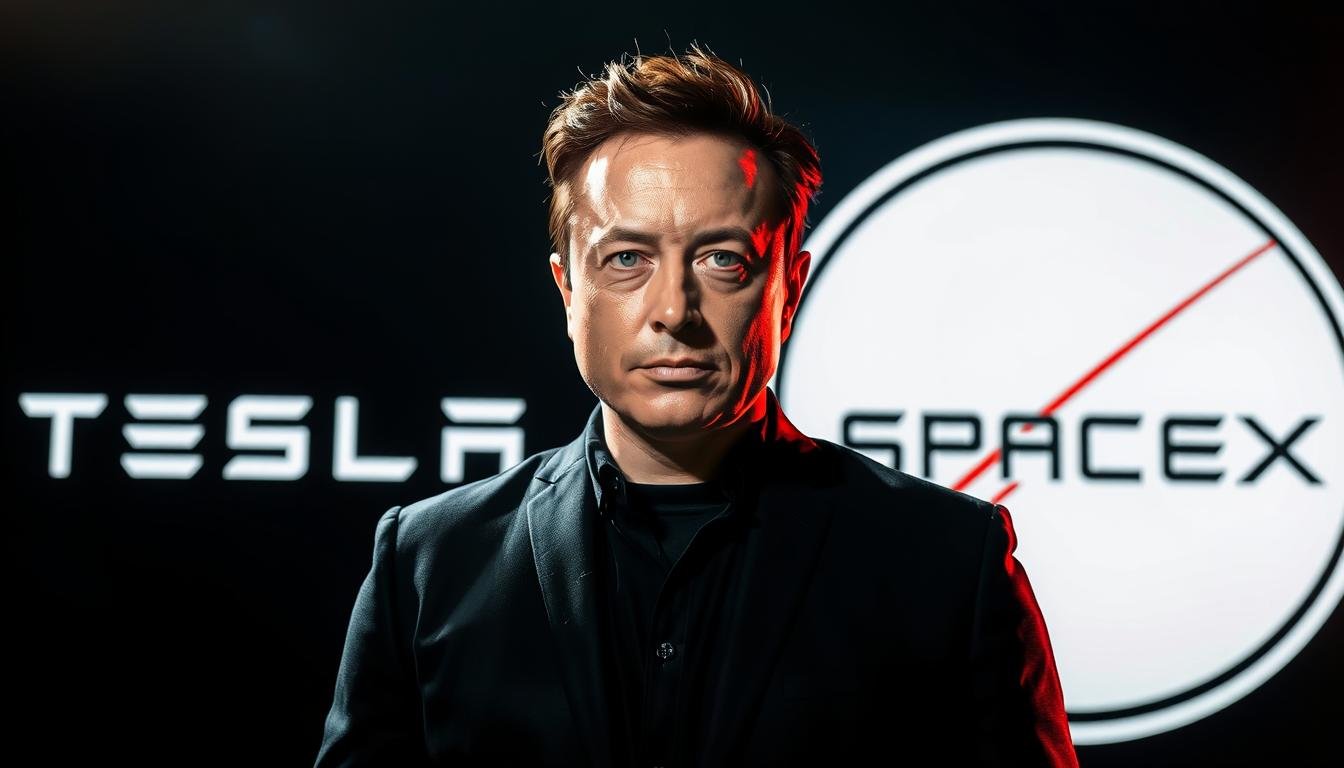
Elon Musk – Mad Genius of the Future
In the pantheon of modern innovators, few figures polarize public opinion quite like Elon Musk. Part brilliant visionary, part controversial provocateur, Musk embodies the archetype of the mad genius – someone whose extraordinary intellect is matched only by their unpredictable nature. From revolutionizing electric vehicles to planning Mars colonization, his ambitions transcend conventional boundaries. Yet for every technological breakthrough, there’s a Twitter meltdown or workplace controversy that raises questions about the true nature of his genius.
The Blueprint of Brilliance: Musk’s Revolutionary Ventures
Musk’s portfolio of companies reads like a science fiction author’s dream projects. Each venture pushes technological boundaries while challenging established industries. His approach combines ambitious vision with a willingness to risk spectacular failure in pursuit of breakthrough success.
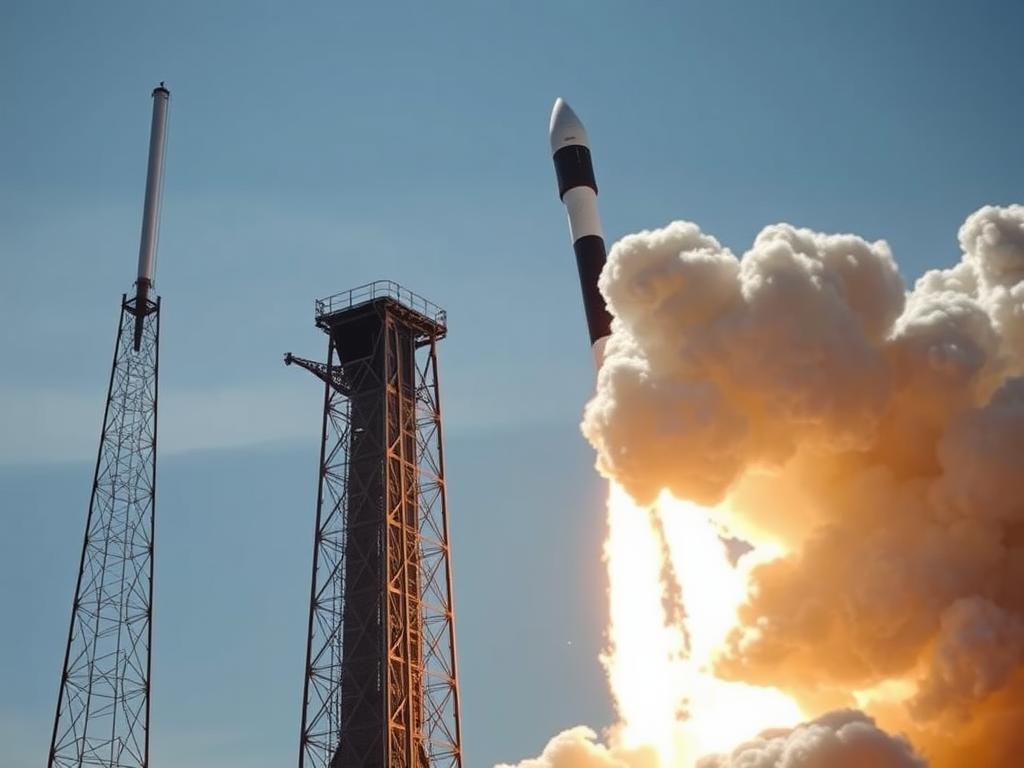
SpaceX: Privatizing the Final Frontier
When Musk founded SpaceX in 2002, industry experts scoffed at his plans to reduce space transportation costs. Today, the company’s reusable rocket technology has revolutionized space access. The Falcon 9’s successful landing and reuse slashed launch costs by approximately 80%, while the Starship program aims to make Mars colonization possible within decades. NASA now relies on SpaceX for International Space Station missions – a testament to how one man’s “mad” vision transformed space exploration.
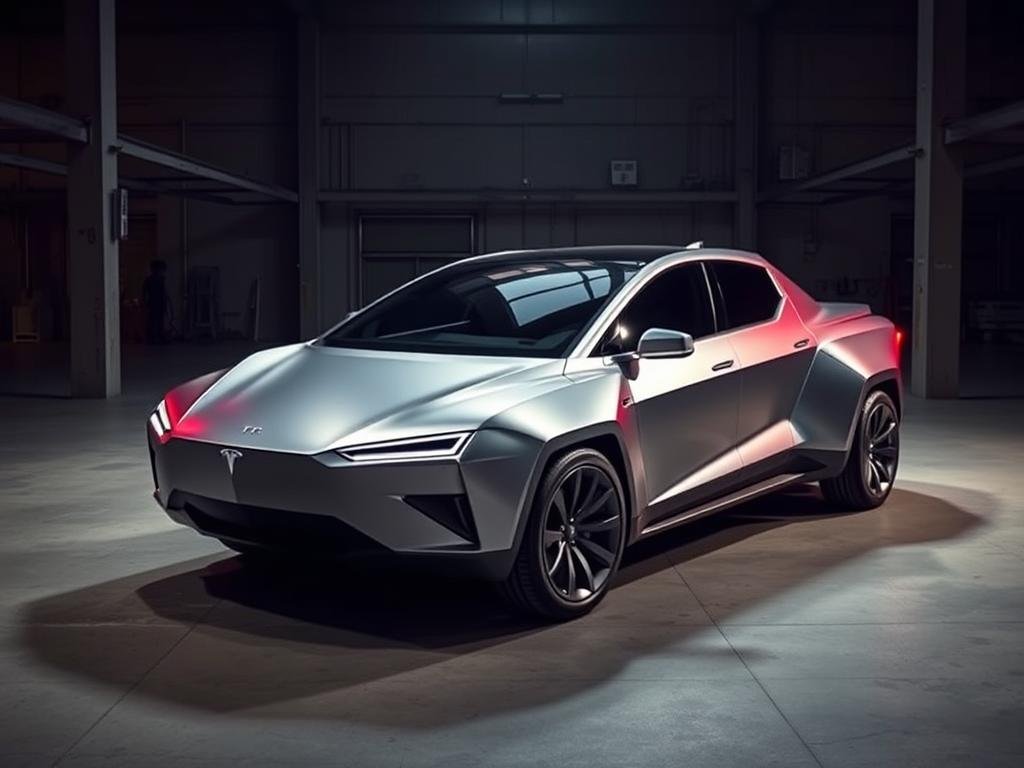
Tesla: Electrifying Transportation
Tesla wasn’t the first electric vehicle company, but Musk’s approach was revolutionary. Rather than starting with affordable models, he targeted the luxury market with the Roadster and Model S, creating desirable electric vehicles that changed public perception. Tesla’s direct-to-consumer sales model disrupted dealer networks, while its Gigafactories redefined manufacturing scale. The controversial Cybertruck and Full Self-Driving technology represent Musk’s continued willingness to challenge conventions, even when it means courting controversy.
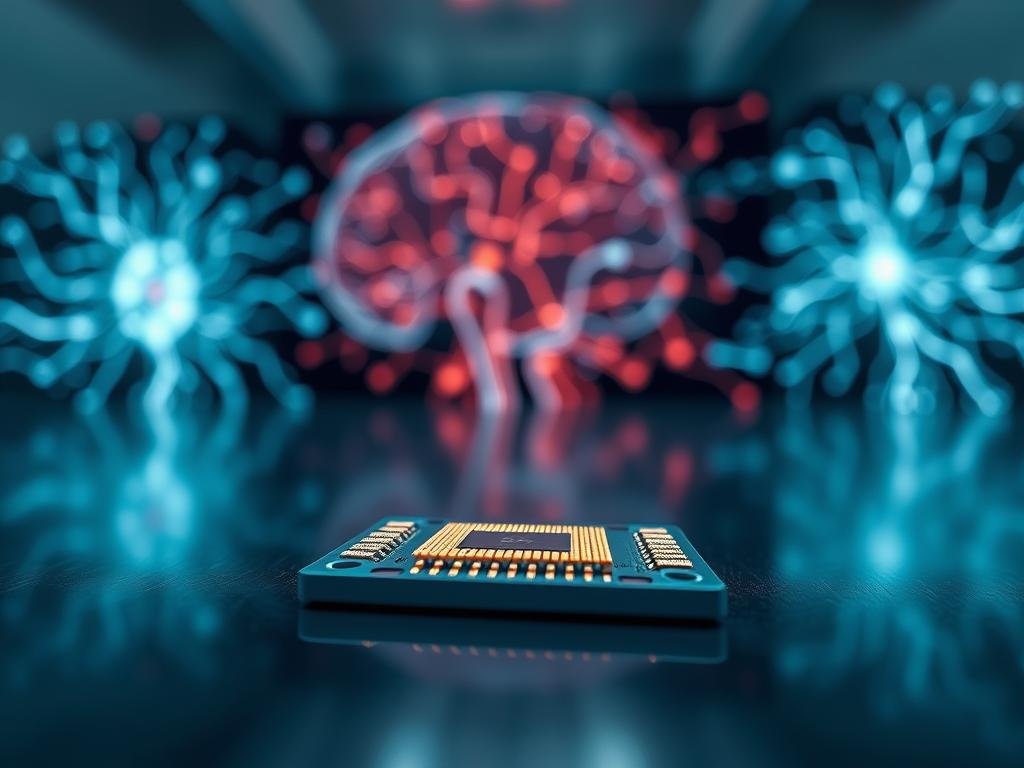
Neuralink: Merging Mind and Machine
Perhaps Musk’s most audacious venture, Neuralink aims to create brain-machine interfaces that could eventually allow human consciousness to merge with artificial intelligence. The company has developed implantable brain-computer interfaces that have progressed from concept to human trials. While medical applications like treating paralysis drive initial development, Musk’s long-term vision involves enhancing human cognition to keep pace with AI advancement – a goal critics call impossible but which epitomizes his “mad genius” approach to seemingly insurmountable challenges.
X (Twitter): Social Media Disruption
Musk’s $44 billion acquisition of Twitter in 2022 and subsequent rebranding to “X” represents his most controversial business move. His self-described “free speech absolutist” approach led to reduced content moderation, reinstated banned accounts, and dramatic staff reductions. The platform’s transformation into what Musk calls an “everything app” has alienated advertisers while delighting free speech advocates. Whether visionary pivot or costly mistake, the acquisition demonstrates Musk’s willingness to act on impulse at unprecedented financial scale.
The Boring Company: Reimagining Infrastructure
What began as a tweet about traffic frustration evolved into a company dedicated to revolutionizing urban transportation through underground tunnels. The Boring Company exemplifies Musk’s approach: identify a common problem (traffic congestion), propose a radical solution (underground tunnels), and pursue it regardless of conventional wisdom. While critics question the scalability and practicality of the concept, the Las Vegas Convention Center Loop demonstrates Musk’s ability to transform seemingly impulsive ideas into functioning, if controversial, innovations.
The Method Behind the Madness: Deconstructing Musk’s Approach
First Principles: Thinking Like a Mad Genius
At the core of Musk’s approach is “first principles thinking” – breaking down complex problems to their fundamental truths and reasoning up from there. Unlike conventional reasoning by analogy (comparing to what already exists), Musk rebuilds solutions from scratch. This approach led him to realize that batteries could be much cheaper than conventional wisdom suggested and that rockets could be reused despite industry insistence to the contrary.
“He breaks things to rebuild better,” notes venture capitalist Steve Jurvetson, a long-time Musk supporter. “Elon’s genius isn’t just technical – it’s his willingness to question every assumption and rebuild from the ground up.”
When something is important enough, you do it even if the odds are not in your favor.
Visionary or Delusional? The Thin Line of Genius
Musk’s predictions often seem outlandish when first announced. In 2015, he claimed Tesla would achieve full self-driving capability within two years – a goal still unrealized in 2023. His Mars colonization timeline has faced similar skepticism. Yet his track record includes enough fulfilled “impossible” promises to maintain credibility with supporters.
Critics like Jim Chanos, founder of Kynikos Associates, represent the opposing view: “A billionaire gambling with the future,” he called Musk, suggesting his promises are more marketing than achievable goals. This tension between visionary foresight and unrealistic promises defines the public perception of Musk’s genius.
The Chaos Architect: Musk’s Unconventional Leadership
Musk’s leadership style defies conventional management wisdom. Former employees describe a workplace of extreme pressure, midnight emails, and sudden strategic pivots. His infamous “hardcore” ultimatum at Twitter required employees to commit to “long hours at high intensity” or leave. Yet this chaos coexists with remarkable innovation.
His approach combines micromanagement of technical details with grand vision-setting. Former Tesla employee John Bernal noted, “He knows every bolt and circuit in those cars, but can’t always see how his decisions affect the people building them.” This duality – technical brilliance alongside interpersonal blindness – characterizes the mad genius archetype Musk embodies.
The Genius Side
- Extraordinary technical knowledge across multiple disciplines
- Ability to attract world-class talent despite controversial leadership
- Willingness to stake personal fortune on high-risk ventures
- Remarkable capacity to learn new industries rapidly
- Proven ability to disrupt established industries
The Madness Side
- Erratic public behavior and impulsive decision-making
- Controversial workplace practices and high employee turnover
- Tendency to overpromise and miss deadlines
- Combative relationship with regulators and media
- Personal vendettas that sometimes influence business decisions
The Dark Side of Brilliance: Legitimate Criticisms
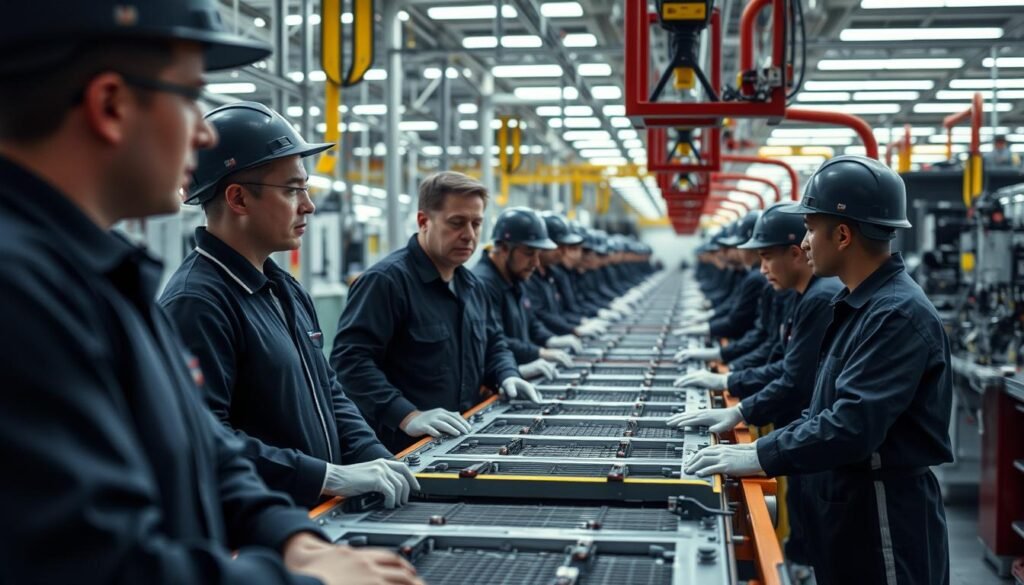
Labor Practices: The Human Cost of Innovation
Tesla and SpaceX have faced multiple lawsuits alleging labor violations, from unpaid overtime to racial discrimination. Former employees describe punishing work schedules and a culture where raising safety concerns could lead to termination. A 2022 investigation revealed injury rates at Tesla’s Fremont factory exceeded industry averages by 36%.
Labor organizer Jose Moran, who worked at Tesla, stated: “The innovation is impressive, but it shouldn’t come at the expense of worker safety and dignity.” Musk’s resistance to unionization efforts has drawn particular criticism, with the National Labor Relations Board ruling against Tesla’s anti-union practices in 2021.
The Twitter Transformation: Genius Move or Costly Blunder?
Musk’s acquisition and rebranding of Twitter to “X” represents perhaps his most controversial business decision. The $44 billion purchase price was widely considered excessive, while subsequent changes alienated advertisers and users alike. Mass layoffs eliminated 80% of staff, content moderation changes led to increased hate speech according to independent researchers, and technical issues increased.
Defenders argue Musk is executing a long-term vision for an “everything app” similar to China’s WeChat. Critics see a billionaire indulging personal whims at shareholders’ expense. The platform’s estimated value has declined by approximately 71% since acquisition, raising questions about Musk’s business judgment when personal ideology is involved.
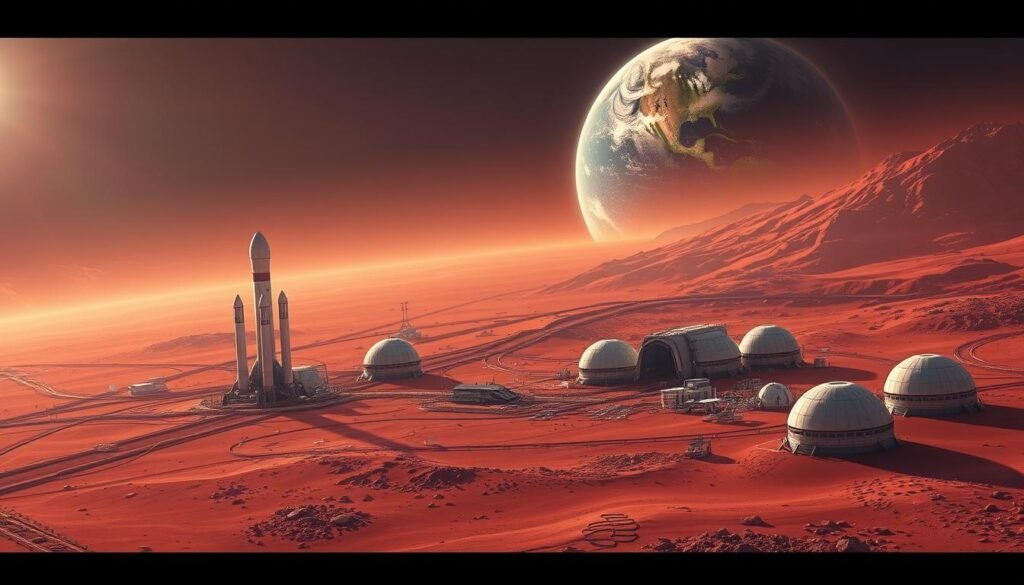
Ethical Frontiers: AI and Mars Colonization
Musk’s ventures raise profound ethical questions. His AI company xAI aims to develop artificial general intelligence despite his public warnings about AI dangers. This apparent contradiction – developing technology he considers potentially catastrophic – exemplifies the moral ambiguity surrounding his work.
Similarly, his Mars colonization plans face ethical scrutiny. Bioethicist Kelly Hills raises concerns: “Who decides who goes to Mars? What laws govern a Mars colony? These questions aren’t being adequately addressed.” Critics argue Musk’s focus on technological feasibility often overshadows ethical considerations, a common criticism of the “move fast and break things” Silicon Valley ethos he embodies.
A billionaire’s vision of the future shouldn’t automatically become humanity’s blueprint, especially when that vision prioritizes technological achievement over human welfare.
The Verdict of History: How Will Musk Be Remembered?
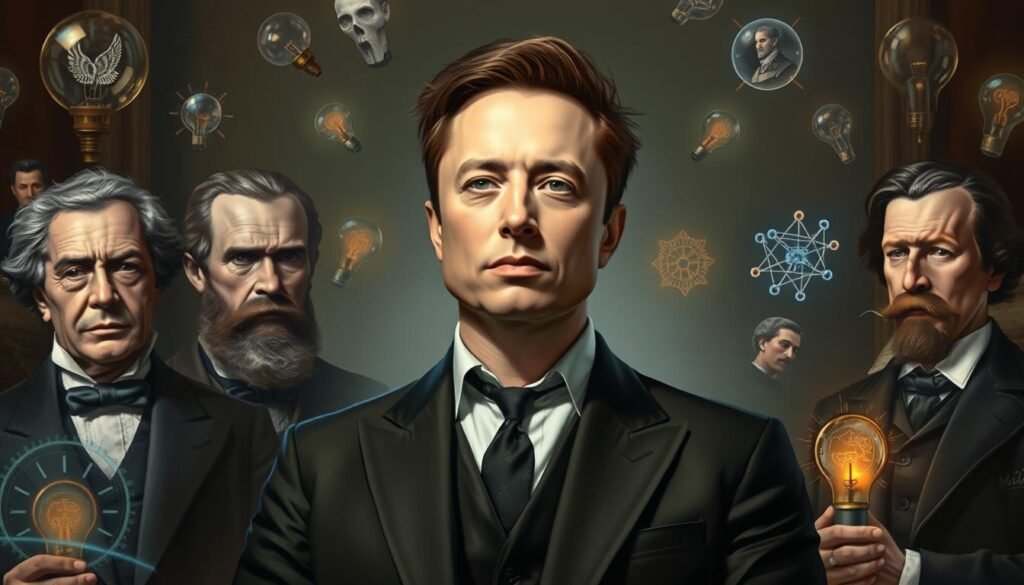
As Musk continues reshaping multiple industries, the question of his ultimate legacy remains open. Will history remember him alongside Edison and Ford as a transformative innovator, or as a cautionary tale of unchecked ambition and ethical compromise?
Modern-Day Edison or Cautionary Tale?
The Edison comparison proves particularly apt. Like Musk, Edison was both brilliant inventor and ruthless businessman. Both built innovation ecosystems rather than single inventions. Both faced ethical criticisms and engaged in public feuds. Edison’s legacy survived his controversies – will Musk’s?
Historian Walter Isaacson, who wrote Musk’s biography, suggests: “Like Edison, Musk combines technological vision with market awareness. Both understood innovation isn’t just invention – it’s creating products people actually want.” This practical aspect of Musk’s genius – making revolutionary technology commercially viable – may ultimately define his historical importance.
The Optimistic View
Supporters argue Musk will be remembered for accelerating humanity’s transition to sustainable energy and multiplanetary existence. His companies have undeniably pushed entire industries forward. Electric vehicles gained decades of adoption thanks to Tesla, while SpaceX has dramatically reduced space access costs. These tangible achievements may outweigh his personal controversies in historical assessment.
The Critical Perspective
Critics contend Musk represents the dangers of concentrated technological power. His erratic behavior, treatment of workers, and tendency to overpromise suggest the risks of placing too much faith in individual “genius” figures. This perspective sees Musk as emblematic of Silicon Valley’s hubris – brilliant but fundamentally unaccountable to the societies his technologies transform.
The Next Chapter: Musk’s Unfinished Symphony
At 52, Musk likely has decades of innovation ahead. His current focus includes advancing Neuralink’s brain-computer interfaces, scaling Starship for Mars missions, and developing humanoid robots through Tesla. Each represents a potentially revolutionary technology that could redefine his legacy.
Perhaps most intriguing is his work on artificial general intelligence through xAI. Despite his public concerns about AI risks, Musk believes developing “maximally truth-seeking AI” is essential. This apparent contradiction epitomizes the Musk paradox – a man who simultaneously warns against technological risks while pushing those same technologies forward at breakneck speed.
As we watch Musk’s continued evolution, one thing remains certain: whether mad genius or brilliant opportunist, his impact on 21st-century technology is already indelible. The final verdict on whether his methods justify his achievements remains for future generations to decide.
Conclusion: The Method in the Madness
Elon Musk embodies the complex reality of modern innovation – brilliant yet flawed, visionary yet controversial. His companies have undeniably changed multiple industries, yet his methods raise legitimate ethical and practical concerns. Perhaps the truth lies not in labeling him either genius or madman, but in recognizing he is both simultaneously.
The mad genius archetype has always fascinated humanity precisely because it challenges our neat categorizations. Musk’s legacy will likely be as complicated as the man himself – a transformative innovator whose methods sometimes undermined his own vision, a futurist whose personal behavior occasionally seemed stuck in the past.
As Musk himself once said, “Some people don’t like change, but you need to embrace change if the alternative is disaster.” Whether his changes ultimately lead to utopian progress or unforeseen consequences remains to be seen. What’s certain is that Musk’s next “mad” project – whether it’s neural implants, Mars colonization, or humanoid robots – will continue challenging our assumptions about what’s possible and what’s wise.
What’s Your Take on Musk’s Next Move?
Will Musk’s next breakthrough be in brain interfaces, AI, or something entirely unexpected? Share your predictions about his next “mad genius” project and whether you think it will transform our future or prove too ambitious even for him.