Cristiano Ronaldo Jr. – In the Shadow of a Legend
Born into sporting royalty on June 17, 2010, Cristiano Ronaldo Jr. entered the world with expectations already weighing on his small shoulders. As the firstborn son of football icon Cristiano Ronaldo, he inherited not just a name but a legacy that few children could comprehend. While most kids grow up dreaming of becoming professional athletes, Cristianinho (his affectionate nickname) was born into a reality where excellence isn’t just encouraged—it’s expected. This is the story of a young boy navigating the complex journey of finding his own identity while carrying one of the most recognized surnames in sports history.
Early Life and Exposure to Fame
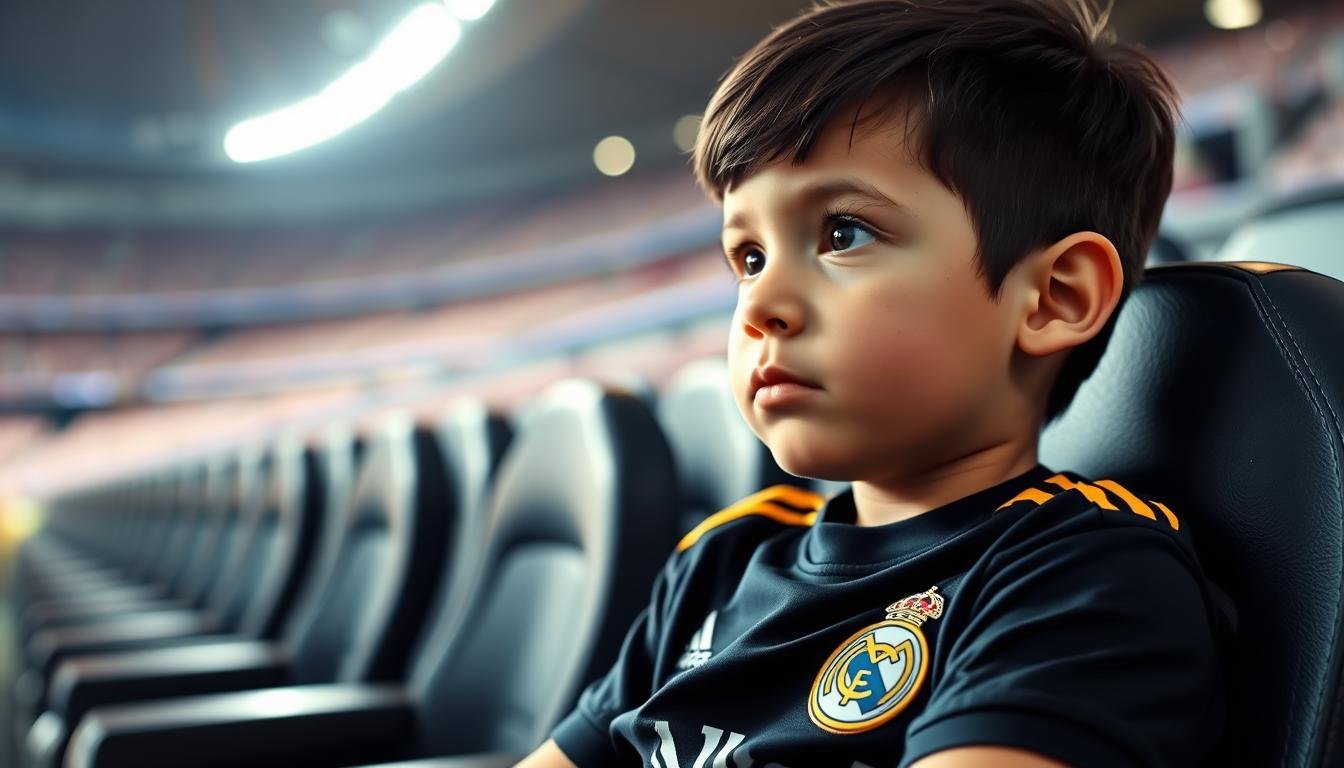
Cristiano Ronaldo Jr. watching his father from the VIP section at Santiago Bernabéu Stadium
Born in San Diego, California, Cristiano Ronaldo Jr. came into the world under unusual circumstances. His father, already a global superstar playing for Real Madrid, made the unprecedented decision to announce that he would have full custody of his son, while keeping the identity of the mother private—a decision that immediately thrust the newborn into a spotlight few will ever experience.
Weighing 9 pounds and 8 ounces at birth, Cristianinho’s arrival coincided with Portugal’s elimination from the 2010 World Cup. From his earliest days, the rhythms of his life would be dictated by football seasons, championships, and his father’s career movements across Europe’s elite clubs.
Growing Up in Football’s Inner Circle
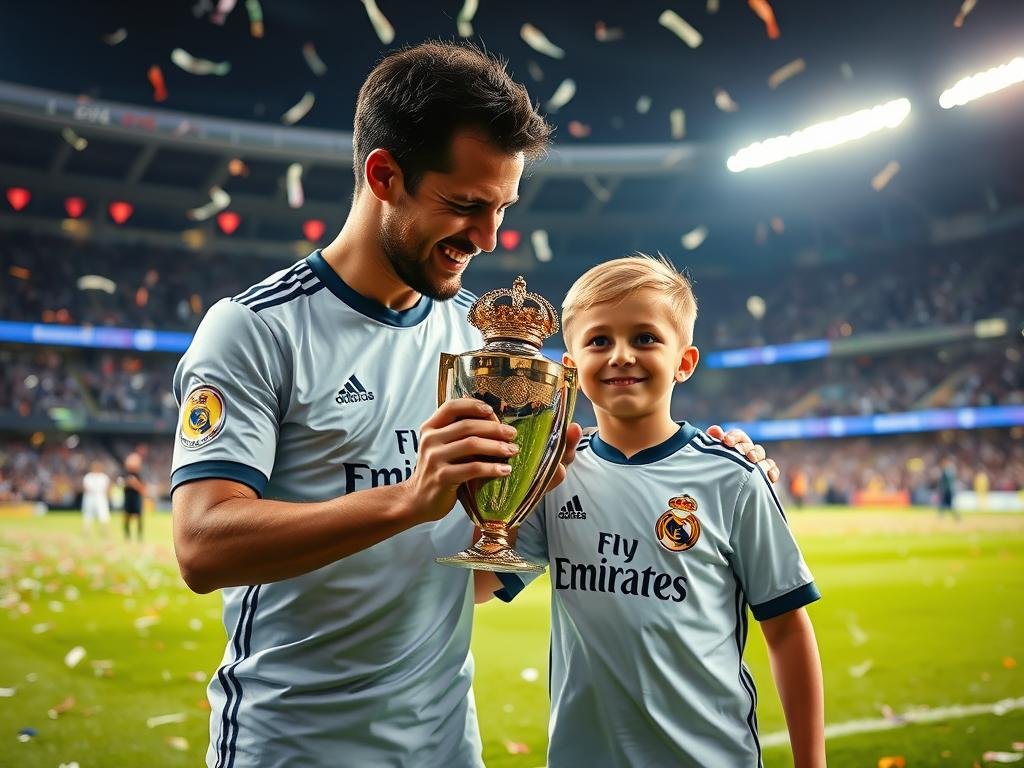
Unlike most children, Cristianinho’s childhood playgrounds included the training facilities of Real Madrid, Juventus, Manchester United, and now Al-Nassr. His early education in football came not from neighborhood coaches but from watching his father—widely considered one of the greatest players of all time—perfect his craft daily.
By age four, he was already a familiar face to millions, regularly appearing alongside his father at award ceremonies, including the prestigious Ballon d’Or galas. While most children his age were learning basic social skills in preschool, Cristianinho was learning to navigate red carpets, camera flashes, and the constant attention that comes with being the son of a global icon.
“When you have children, you want to give them the best. I want to give the best education to my son, I want everything to be perfect around him.”
As his father’s family expanded to include siblings Eva, Mateo, Alana Martina, and Bella Esmeralda, Cristianinho embraced his role as the eldest child. Despite the extraordinary circumstances of his upbringing, those close to the family often remark on the efforts made to provide him with as normal a childhood as possible within the constraints of his father’s fame.
Life Under the Public Microscope
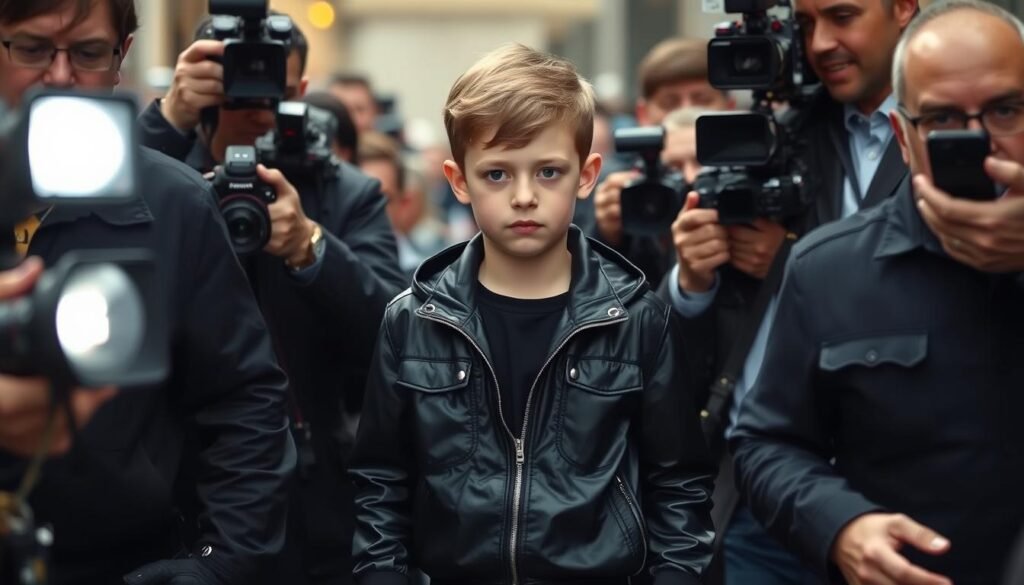
Cristianinho navigating media attention at a public appearance
From his first public appearances, Cristiano Ronaldo Jr. has lived his life under intense scrutiny. Every milestone, from his first steps to his first goals on a football pitch, has been documented, analyzed, and compared to his father’s achievements at similar ages. This unprecedented level of attention creates a unique pressure few children ever experience.
Media Attention and Public Expectations

When Cristianinho scored four goals in his debut for Juventus U9 in September 2018, the news didn’t just make local sports pages—it made headlines worldwide. What would be a proud moment for any young player and their family became global news, with immediate comparisons to his father’s early career and speculation about his future prospects.
Social media has amplified this scrutiny to unprecedented levels. Videos of his goals routinely go viral, attracting millions of views and thousands of comments analyzing his technique, comparing him to his father, and projecting his future career trajectory—all before he reached his teenage years.
The Numbers Behind the Spotlight: By age 12, Cristiano Ronaldo Jr. had amassed over 1 million followers across social media platforms managed by his family—without having any official accounts of his own. Videos of his youth matches regularly attract viewership numbers that exceed professional league games in many countries.
This constant comparison creates a double-edged sword. While his surname opens doors to elite training facilities and opportunities, it also creates expectations that would be challenging for any child to manage. Every mistake is magnified, every achievement measured against an impossible standard—his father’s extraordinary career.
“I hope that Cris, my son, can be like his dad. He says he is going to be better than me, but I think it’s difficult.”
The senior Ronaldo’s comments reflect the delicate balance he must maintain—encouraging his son’s ambitions while acknowledging the immense pressure that comes with the Ronaldo name. This pressure extends beyond football to every aspect of Cristianinho’s life, from his academic performance to his behavior in public, where any misstep would instantly become headline news.
Following in Famous Footsteps: Cristianinho’s Football Journey
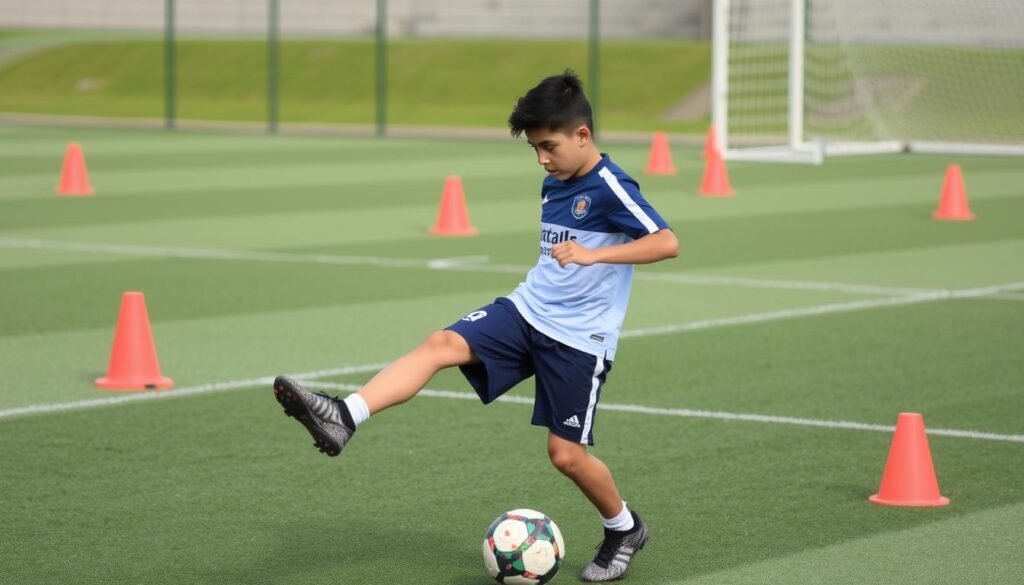
Cristiano Ronaldo Jr. during training at Al-Nassr’s youth academy
Cristiano Ronaldo Jr.’s football development has been anything but typical. His journey through youth academies has followed his father’s club transfers, creating a unique but potentially challenging path through some of the world’s most prestigious development systems.
Elite Training from Day One
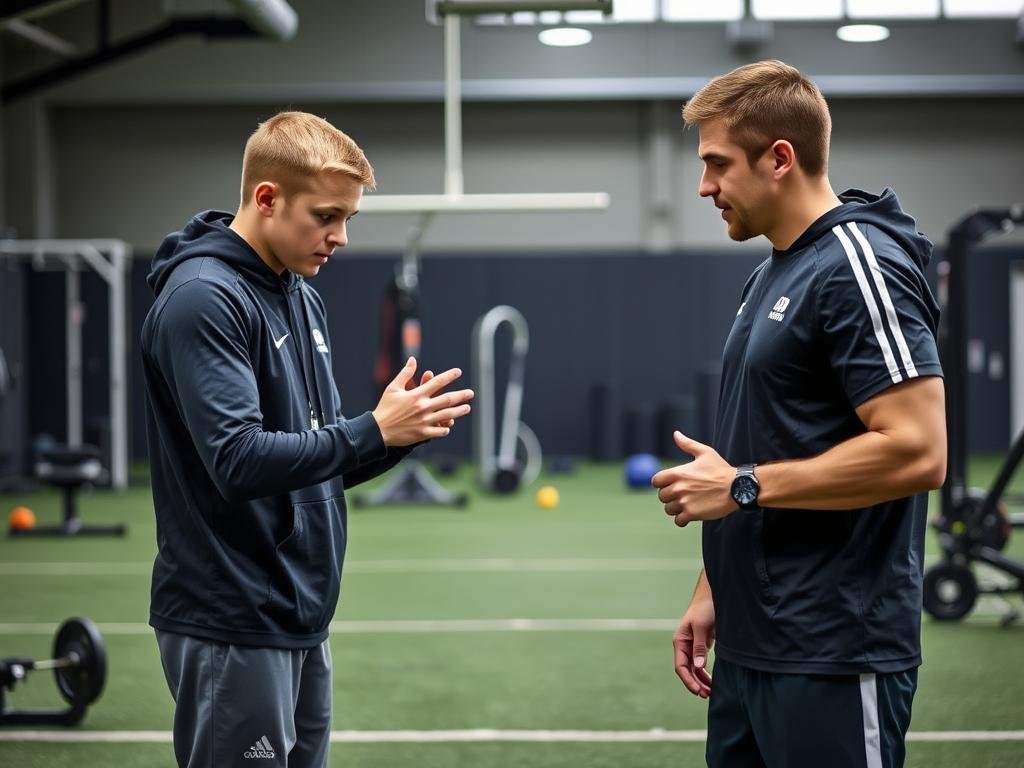
Unlike most children who begin with neighborhood clubs or school teams, Cristianinho’s first formal football education came at Real Madrid’s La Fábrica youth academy—widely regarded as one of the finest development systems in world football. From there, his development continued at Juventus’ youth setup in Turin, followed by Manchester United’s famed academy that produced his father, and now at Al-Nassr’s youth system in Saudi Arabia.
This journey across different football cultures and methodologies has provided him with a diverse football education few players his age could match. However, it has also meant repeatedly adjusting to new environments, coaches, teammates, and playing styles—challenges that can impact development at crucial ages.
| Year | Club | Age Group | Notable Achievements |
| 2016-2018 | Real Madrid Youth | U7-U9 | First formal training at elite level |
| 2018-2021 | Juventus Youth | U9-U11 | Scored 4 goals in debut match; Consistently high scoring record |
| 2021-2022 | Manchester United Youth | U12-U13 | Trained at the same academy that developed his father |
| 2023-Present | Al-Nassr Youth | U14-U15 | Adapting to Middle Eastern football style; Scored in international youth tournament |
Playing Style and Technical Development
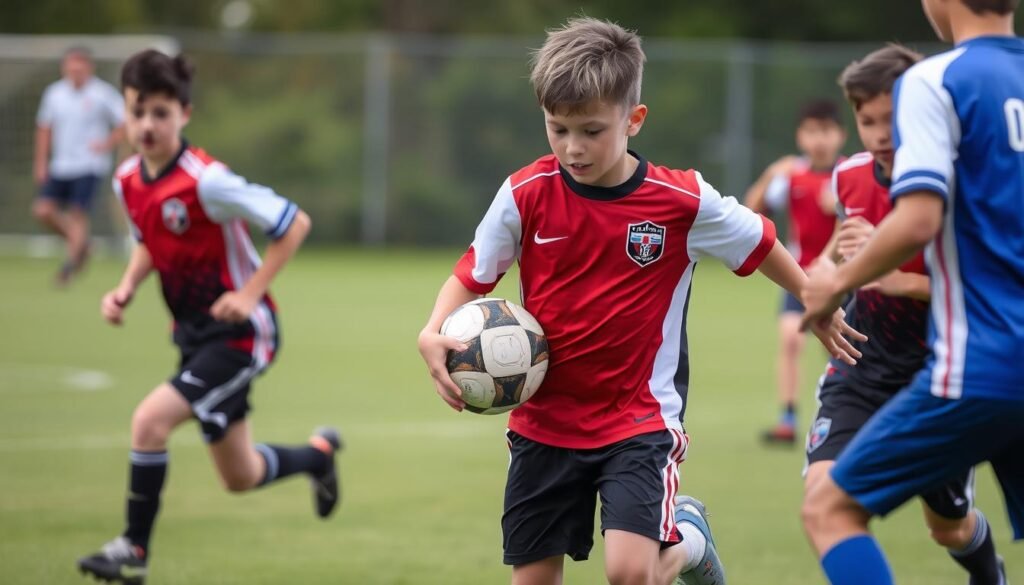
Those who have watched Cristianinho’s development note both similarities and differences compared to his father’s playing style. While he has inherited his father’s acceleration and comfort with the ball at his feet, youth coaches have observed that he often plays with more natural creativity in tight spaces—perhaps influenced by growing up in an era dominated by players like Messi, Neymar, and Mbappé alongside his father’s more direct style.
His position has varied through his youth career, sometimes deployed as a forward like his father, but also showing comfort playing as an attacking midfielder or winger. This positional flexibility may prove valuable as he continues to develop physically and technically.
“He has shown good potential, but what impresses me most is his attitude. Despite who his father is, he works extremely hard and listens carefully to coaching. That’s rare for any young player, let alone one with his background.”
The balance between nurturing his natural talent and managing the weight of expectations remains the central challenge for those guiding his development. His father has been careful to publicly downplay expectations while privately ensuring he receives the best possible training and guidance.
Finding Identity Beyond the Famous Name
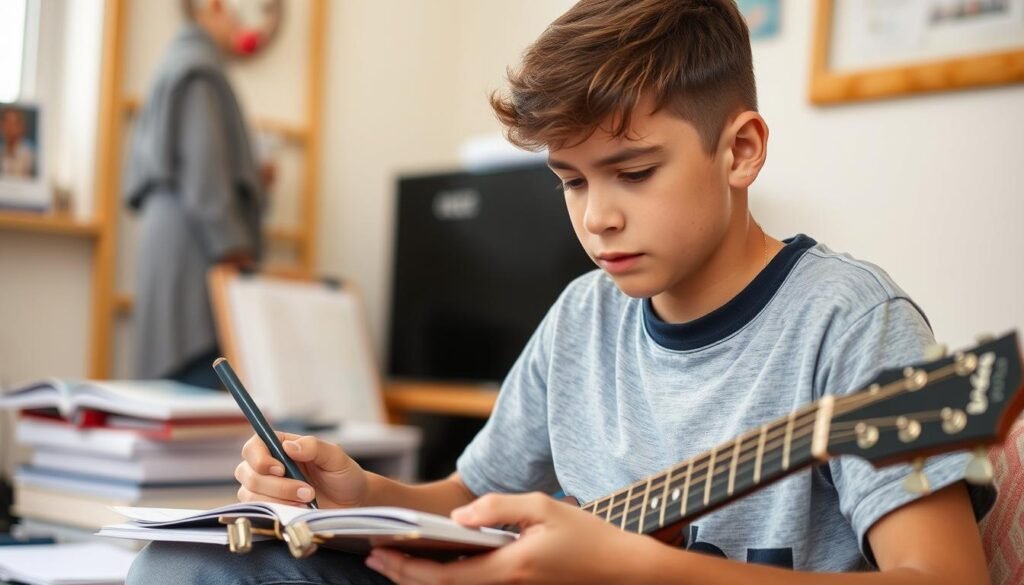
Cristianinho pursuing interests beyond football, showing his developing personal identity
Perhaps the most significant challenge facing Cristiano Ronaldo Jr. is establishing his own identity separate from his father’s towering legacy. While football naturally plays a central role in his life, those close to the family note his efforts to develop interests and talents that are uniquely his own.
Academic Focus and Additional Interests

Unlike many elite youth athletes who focus exclusively on sport, Cristianinho’s education has been prioritized alongside his football development. His father has employed private tutors to ensure academic continuity despite the family’s frequent relocations, emphasizing the importance of intellectual development regardless of his sporting potential.
Beyond academics, he has shown interest in languages (he is already fluent in multiple languages including Portuguese, Spanish, Italian, and English), music, and technology—interests that could provide alternative avenues for self-expression and achievement outside his father’s primary domain.
Multilingual Advantage: Cristiano Ronaldo Jr.’s exposure to multiple countries and cultures has accelerated his language acquisition. By age 13, he was comfortable communicating in four languages—a skill that will serve him well regardless of his career path and one that distinguishes him from his peers.
Digital Presence and Social Identity
While Cristianinho doesn’t maintain his own public social media accounts—a deliberate choice by his father to protect his privacy—his presence on his father’s accounts and family posts offers glimpses into his developing personality. These carefully curated appearances show a young man who is comfortable in the spotlight but also values private family time away from cameras.
This controlled approach to his public image represents a conscious effort to balance the inevitable public interest in his life with the need for normal developmental experiences away from scrutiny. It’s a delicate balance that few families navigate successfully, but one that appears to be a priority for the Ronaldo family.
“I want to give him space to be himself, to make his own decisions. Of course I will guide him, but ultimately he must choose his own path, whether that’s in football or something else entirely.”
These comments reflect an awareness that perhaps the greatest gift he can give his son is the freedom to define success on his own terms—whether that means following in his footballing footsteps or charting an entirely different course.
The Psychological Impact of a Legendary Shadow
The weight of expectations: Cristianinho in a reflective moment
Beyond the practical challenges of training, education, and public scrutiny lies perhaps the most significant aspect of Cristiano Ronaldo Jr.’s journey—the psychological impact of growing up as the son of one of football’s greatest icons. This unique psychological landscape shapes his development in ways both visible and invisible.
The Burden of Comparison
From his first steps onto a football pitch, Cristianinho has faced inevitable comparisons to his father. Every technique, every goal, every mannerism is analyzed through the lens of his father’s career. Sports psychologists note that this constant comparison creates a unique form of pressure that can either motivate or inhibit development, depending on how it’s managed.
This pressure is amplified by the unprecedented nature of his situation. While other children of famous athletes have followed in their parents’ footsteps, few have done so in the social media age, where every youth match can be recorded, analyzed, and globally distributed within minutes.
Potential Psychological Challenges
- Imposter syndrome despite genuine talent
- Fear of failure magnified by public attention
- Difficulty separating personal identity from father’s legacy
- Managing external expectations vs. internal motivation
- Navigating relationships where his name may influence interactions
Potential Psychological Advantages
- Firsthand exposure to elite mentality and work ethic
- Early development of media literacy and public relations skills
- Access to world-class psychological support resources
- Unique perspective on fame and its realities from an early age
- Strong family support system experienced in managing public life
Coping Mechanisms and Support Systems

To navigate these unique challenges, Cristianinho benefits from several support systems. His extended family, including his grandmother Maria Dolores Aveiro, has been a constant presence throughout his life, providing a connection to his Portuguese roots and a sense of normalcy amid extraordinary circumstances.
Additionally, his father has reportedly ensured access to professional psychological support, recognizing the unique pressures his son faces. This proactive approach to mental wellbeing reflects a growing awareness in elite sports about the importance of psychological health, particularly for young athletes.
“I tell him that hard work is what makes the difference. Yes, he has advantages that I didn’t have, but nothing replaces dedication and passion. That’s the most important lesson I can teach him.”
Perhaps most importantly, his father’s own experience—rising from humble beginnings in Madeira to global superstardom—provides a roadmap for handling both success and setbacks. This firsthand guidance on navigating fame, pressure, and public scrutiny represents an invaluable resource few other young athletes could access.
The Next Generation: Comparing Paths of Famous Athletes’ Children
The next generation: Children of sports icons forging their own paths
Cristiano Ronaldo Jr.’s journey, while unique, is part of a broader phenomenon of children born to sports legends who must navigate their own paths while carrying famous surnames. Examining how others in similar situations have managed these challenges provides valuable context for understanding Cristianinho’s experience.
- Began formal training at elite European academies
- Has trained across multiple countries following father’s transfers
- Father still actively playing at highest levels
- Media attention focused on technical similarities to father
- Currently developing in Al-Nassr’s youth system
- Father maintains tight control over public exposure
Cristiano Ronaldo Jr.
- Developed in American AAU and high school basketball system
- Relatively stable geographic development in one country
- Father still active and at elite level during son’s development
- Secured NCAA Division I scholarship to USC
- Recovered from cardiac arrest to continue career
- More public social media presence than Cristianinho
Bronny James (LeBron James’ Son)
- Initially pursued football before switching focus
- Explored alternative career paths including modeling
- Father retired during son’s developmental years
- Returned to football at lower professional levels
- Signed with Brentford B team in English system
- Maintains active public profile across multiple interests
Romeo Beckham (David Beckham’s Son)
Different Approaches to Legacy Management
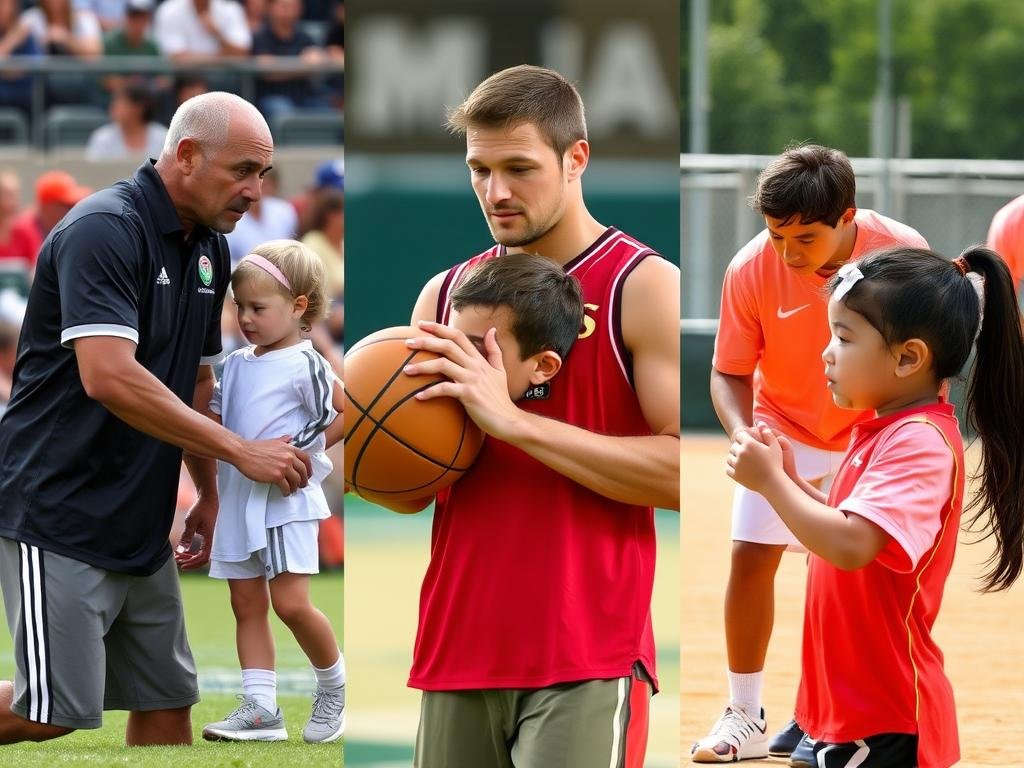
These different journeys highlight various approaches to managing the complex dynamics of sporting legacy. While LeBron James has been very public about his dream of playing alongside his son Bronny in the NBA, David Beckham has emphasized supporting his children’s diverse interests, whether in or outside of football.
Cristiano Ronaldo’s approach with his son appears to balance these perspectives—providing elite opportunities while also emphasizing education and personal development beyond sport. This balanced approach may offer Cristianinho the best chance to develop authentically, whether that means following in his father’s footsteps or charting an entirely different course.
The Statistical Reality: Research on professional athletes’ children shows that less than 1% reach the same elite level as their parents. This statistical reality underscores the importance of nurturing identity and worth beyond athletic achievement—a challenge all these families face regardless of their approach.
What unites these young athletes is not just their famous surnames but the unique challenge of finding their own identities while navigating unprecedented levels of scrutiny and expectation. Their journeys represent a new kind of coming-of-age story—one played out on global stages before they’ve even reached adulthood.
Looking Ahead: Future Prospects and Possibilities
Cristianinho looking toward a future of possibilities
As Cristiano Ronaldo Jr. continues his development, the question inevitably turns to what the future might hold. While predicting any young athlete’s career trajectory is speculative at best, his unique circumstances create both extraordinary opportunities and challenges that will shape his path forward.
Potential Career Trajectories
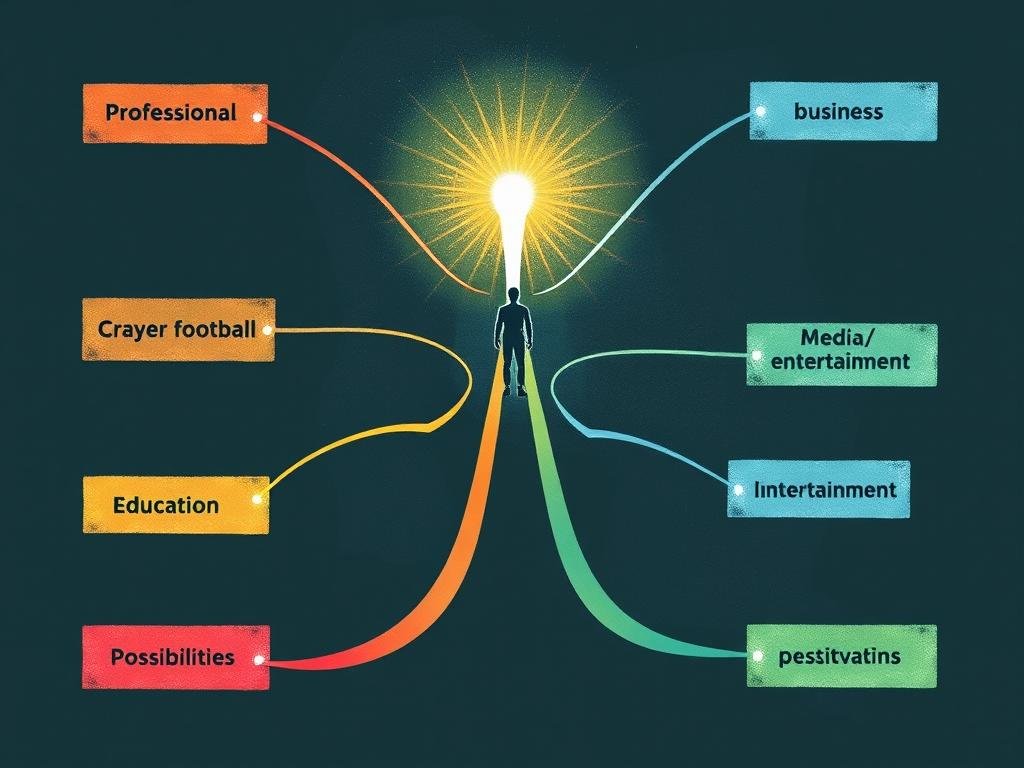
Several potential paths lie before Cristianinho as he approaches his later teenage years—each with its own advantages and challenges:
Professional Football Path
The most publicly expected path would see him continue his development through elite youth systems, potentially signing a professional contract with a European club in his late teens. His father’s connections and influence could facilitate opportunities at top clubs, though he would ultimately need to prove himself on merit.
This path would involve the greatest public scrutiny but also the opportunity to build on his father’s legacy in the sport they both love.
Academic/Business Path
With his multilingual abilities and global exposure, Cristianinho is uniquely positioned for international education and business opportunities. His father’s business empire, which spans fashion, hotels, and lifestyle brands, offers potential avenues outside of sport.
This path would allow him to leverage his name recognition while establishing an identity separate from his father’s primary domain of achievement.
Hybrid Career Path
Perhaps most likely is a hybrid path that combines elements of sport, business, and media. Many children of famous athletes have found success in sports-adjacent careers—as commentators, agents, or in sports management—leveraging their unique perspective and connections.
This approach would allow him to remain connected to football while developing his own distinct professional identity.
The Legacy Question

Regardless of which path he chooses, Cristiano Ronaldo Jr. will inevitably face the question of legacy—both honoring his father’s while establishing his own. This delicate balance has challenged many children of famous parents across various fields.
What distinguishes Cristianinho’s situation is the global nature of his father’s fame in an era of unprecedented media scrutiny. Few young people have navigated this specific combination of circumstances successfully, making his journey both a personal challenge and a potentially instructive case study in managing intergenerational fame.
“My son has potential, yes, but he must want it and dedicate himself. I will never pressure him. He will make his own choices, but I hope he can be like me. He says he will be better than me, but I think it will be difficult.”
This statement encapsulates the central tension in Cristianinho’s journey—the natural parental desire to see one’s child succeed, balanced against the wisdom of allowing authentic self-discovery. How he navigates this tension in the coming years will likely define not just his career prospects but his personal fulfillment and identity formation.
Frequently Asked Questions About Cristiano Ronaldo Jr.
Who is Cristiano Ronaldo Jr.’s mother?
The identity of Cristiano Ronaldo Jr.’s mother has been kept private by mutual agreement. Cristiano Ronaldo has full custody of his son and has stated that he will reveal the identity of his mother to him when he feels the time is right. This privacy decision has been consistently maintained since his birth in 2010.
How good is Cristiano Ronaldo Jr. at football?
Cristiano Ronaldo Jr. has shown considerable talent in youth football, with viral videos showcasing his technical skills and goal-scoring ability. He made headlines when he scored four goals in his debut for Juventus U9 in 2018. Coaches have noted his natural ability, technical skills, and understanding of the game. However, as with any young player, his long-term potential remains to be seen as he continues his development.
What youth teams has Cristiano Ronaldo Jr. played for?
Cristiano Ronaldo Jr. has trained with the youth academies of several elite clubs, following his father’s career moves. He has been part of Real Madrid’s youth system (2016-2018), Juventus’ youth academy (2018-2021), Manchester United’s youth setup (2021-2022), and currently trains with Al-Nassr’s youth academy in Saudi Arabia (2023-present).
Does Cristiano Ronaldo Jr. have siblings?
Yes, Cristiano Ronaldo Jr. has four younger siblings. He has twin siblings, Eva and Mateo (born in 2017 via surrogacy), a sister named Alana Martina (born in 2017 to Georgina Rodríguez), and another sister named Bella Esmeralda (born in 2022 to Georgina Rodríguez). Tragically, Bella had a twin brother who passed away during childbirth.
What is Cristiano Ronaldo Jr.’s nickname?
Cristiano Ronaldo Jr. is often called “Cristianinho,” which means “little Cristiano” in Portuguese. This affectionate diminutive is commonly used by his family and in media coverage, particularly in Portugal and Brazil.
What languages does Cristiano Ronaldo Jr. speak?
Due to his international upbringing, Cristiano Ronaldo Jr. is multilingual. He speaks Portuguese (his father’s native language), Spanish (from his time in Madrid), Italian (from his time in Turin), and English. This linguistic flexibility has been an advantage of his unique upbringing across multiple countries and cultures.
Conclusion: Writing His Own Story
The story of Cristiano Ronaldo Jr. is still in its early chapters. At 15, he stands at the intersection of extraordinary privilege and extraordinary pressure—a unique position that few can truly comprehend. His journey thus far has been defined by the inevitable comparisons to his legendary father, but the most interesting chapters may be those where he begins to differentiate his own path.
What makes his story compelling is not just the famous surname or the viral youth football highlights, but the universal human challenge he represents—the search for authentic identity when external expectations are overwhelming. It’s a challenge faced by many young people, albeit rarely on such a public stage.
As he continues to mature, the true measure of success for Cristianinho may not be whether he matches his father’s trophy cabinet or goal-scoring records, but whether he finds his own authentic voice and purpose—whether within football or beyond it. The privilege of his upbringing comes with unique opportunities, but the burden of his surname brings unique challenges that will require both resilience and self-awareness to navigate successfully.
Whatever path he ultimately chooses, Cristiano Ronaldo Jr.’s journey represents a fascinating case study in modern celebrity, intergenerational legacy, and the universal quest for self-definition. In an era where fame is increasingly commodified and social media amplifies both opportunity and scrutiny, his story transcends sport to touch on broader questions about identity, expectation, and authenticity in the 21st century.
The shadow of a legend may be long, but within that shadow lies the opportunity to grow toward a light entirely his own.
Stay Updated on Rising Sports Stars
Join our newsletter for exclusive updates on Cristiano Ronaldo Jr. and other children of sports legends as they forge their own paths in athletics.
Explore Other Sports Legacies
Discover how other children of sports legends are forging their own paths while carrying famous surnames.
Follow Cristiano Jr.’s Journey
Stay connected with the latest updates on Cristiano Ronaldo Jr.’s development and career milestones.